
Still Waiting for a Green Card? USCIS Processing Times Are Getting Longer
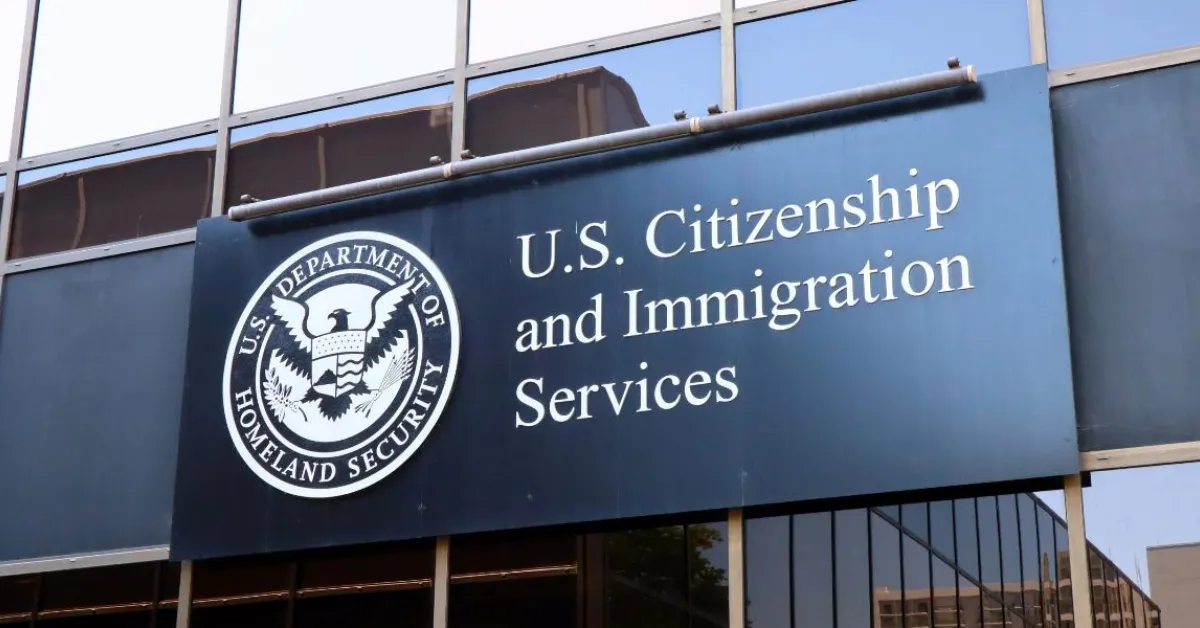
The United States green card system is facing longer delays and stricter procedures, increasing uncertainty for applicants, particularly those from India.
The system has come under growing strain as backlogs expand and policies shift. By the end of fiscal year 2025, more than 11 million applications and petitions were pending with US Citizenship and Immigration Services (USCIS). Many cases have exceeded official processing timelines, while others have yet to enter formal review, reflecting significant congestion.
Indian applicants in employment-based categories are among the most affected. Recent visa bulletin data shows that priority dates remain years behind, in some cases more than a decade. As a result, many skilled workers must wait extended periods before reaching the final stages of the process. These delays affect career progression, financial planning, and family arrangements.
Concerns have also emerged around the EB-5 investor programme. Rising demand from Indian applicants may lead to further restrictions. Authorities could delay eligibility dates or suspend visa availability in certain categories if demand continues to increase.
Operational issues within USCIS have contributed to the situation. Staffing levels fell during 2025, slowing case processing across multiple categories. At the same time, enforcement of application requirements has become stricter. Applications are now more likely to be rejected for errors such as missing information or incorrect fees, rather than allowing applicants to correct mistakes later.
Policy changes have added further complexity. Adjustments to employment authorisation rules have removed automatic extensions for some work permits. This increases the risk of employment gaps for applicants waiting for decisions and may affect financial stability.
The US Department of State has also revised its visa interview procedures. Applicants are generally required to attend interviews in their country of nationality or residence. This reduces flexibility and may create logistical challenges for those living abroad.
Security measures have become more prominent in the process. Authorities are applying increased scrutiny, including checks on applicants’ online activity. These measures aim to address fraud and security risks but have extended processing times and added new compliance requirements.
Broader policy decisions are also affecting eligibility. In early 2026, a temporary suspension of immigrant visas for nationals of several countries was introduced. Family-based immigration has seen changes as well. Updated guidelines introduced in 2025 set clearer requirements for documentation and proof of relationships.







Add new comment