
Kenyan Families Use Banana Stalks to Mourn Kin Killed in Russia–Ukraine War
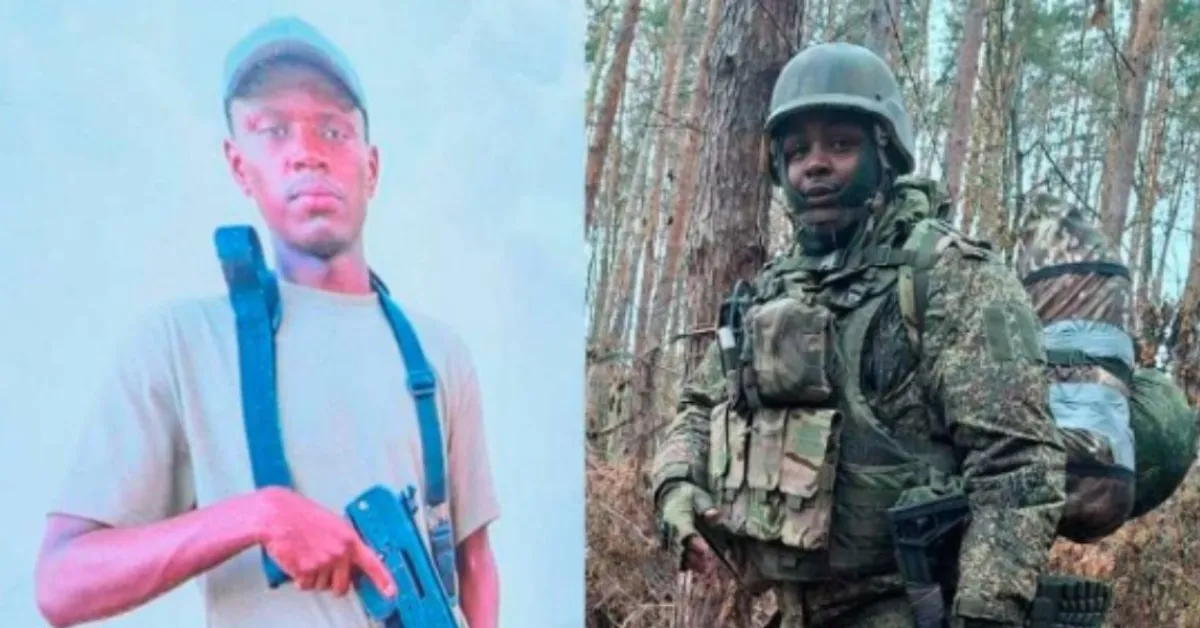
Two Kenyan families are mourning sons who died while fighting in the Russia–Ukraine war after travelling to Russia for what they believed were civilian jobs.
In Limuru, the family of James Kamau Ndung’u, 33, held a candle-lighting ceremony in place of a traditional burial, using banana stalks to represent his body. His mother, Hannah Kamau, and widow, Jane Karinge, joined relatives in observing the ritual.
In Nyeri, a similar ceremony was held for Charles Waithaka, 30, with his portrait displayed under a tent after attempts to return his remains were unsuccessful. In both cases, the absence of a body has complicated mourning practices rooted in cultural tradition.
Russian authorities presented the families with two options: cremation with ashes returned to Kenya, or burial in Russia with military honours. For families that do not practise cremation and lack the means to arrange repatriation, neither option has been acceptable. James’s sister, Margaret, said cremation is not customary in their family unless specified in a will.
James had hoped to join Kenya’s military but was not recruited. He later worked as a bead artisan before accepting what he believed was an overseas job as a driver or cook. According to his family, he intended to buy land and support them financially.
Charles was promised a monthly salary of Sh800,000 but faced financial difficulties and borrowed money from his mother shortly before his death. His final phone call ended abruptly, leaving his family without clear information about his situation.
The Kenyan government has stated it is not responsible for citizens who enlisted in Russia. Prime Cabinet Secretary Musalia Mudavadi said the state was not involved in the agreements and therefore has no legal obligation to provide compensation. He added that recruitment of Kenyans through Russia’s Ministry of Defence would no longer be permitted.
Civil society organisations dispute this position, arguing that many recruits were misled about the nature of their work. Vocal Africa reported that some individuals travelled on tourist visas expecting civilian employment but were later placed in military roles. The group also cited a cohort of 50 Kenyans who travelled in mid-2025 for factory jobs and were subsequently recruitted.












Add new comment