
Ruto's Plan to Fight Alcohol and Drug Addiction in 2026
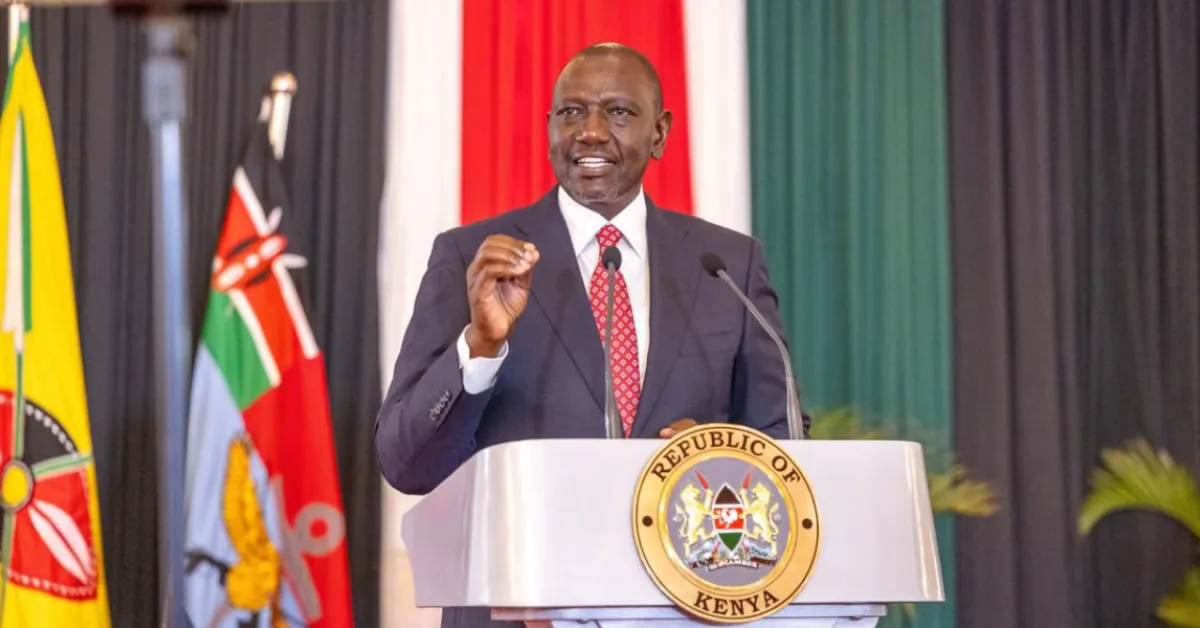
Kenya will roll out a nationwide strategy in 2026 to tackle alcohol and drug abuse, with President William Ruto placing the crisis at the centre of the government’s security and development agenda.
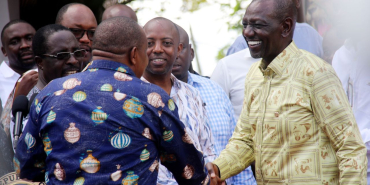
In his New Year’s address at the Eldoret State Lodge, President Ruto said substance abuse had reached emergency levels and required a coordinated national response. Official data show that more than 4.7 million Kenyans aged between 15 and 65 use drugs or alcohol, representing about one in six people in that age group. Men and young adults are the most affected, a trend the President warned threatens the country’s workforce and long-term growth.
Alcohol remains the most widely used substance, with an estimated 3.2 million users. The President said many people begin using alcohol or drugs during adolescence, with some exposed at an even younger age. He cautioned that early use increases the risk of lasting health and social harm.
The government’s plan combines law enforcement, prevention, and rehabilitation. A strengthened Anti-Narcotics Unit will be established within the Directorate of Criminal Investigations, modelled on the Anti-Terrorism Police Unit. Staffing will increase from 200 to 700 officers, supported by enhanced surveillance, forensic capacity, and financial investigation tools.
The unit will work alongside the National Authority for the Campaign Against Alcohol and Drug Abuse, intelligence agencies, border authorities, county governments, and international partners. The strategy also prioritises asset tracing and forfeiture, with proceeds from drug trafficking and illicit alcohol redirected to treatment and prevention programmes.
President Ruto said the government would engage the judiciary on the creation of specialised courts to fast-track drug-related cases. He also pledged firm action against public officials involved in the trade, including prosecution and dismissal from office. He framed the initiative as a duty to protect families and secure the country’s future.
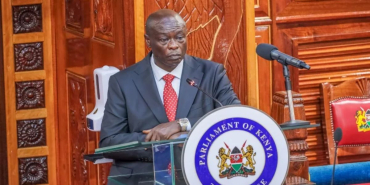
The announcement comes amid improved relations across Kenya’s political landscape. Deputy President Kithure Kindiki said recent efforts to build bridges with former opposition leaders had reduced political hostility and encouraged constructive engagement. He described the formation of a broad-based administration in late 2025 as a turning point.
Kindiki said the calmer political climate had helped the government advance policies that previously faced resistance. He cited housing and health sector reforms as areas that have benefited from wider political support, adding that reduced divisive rhetoric had made it easier to implement complex development programmes.













Add new comment