
U.S. Seeks to Strip Citizenship from Ex-Marine Originally from Ghana
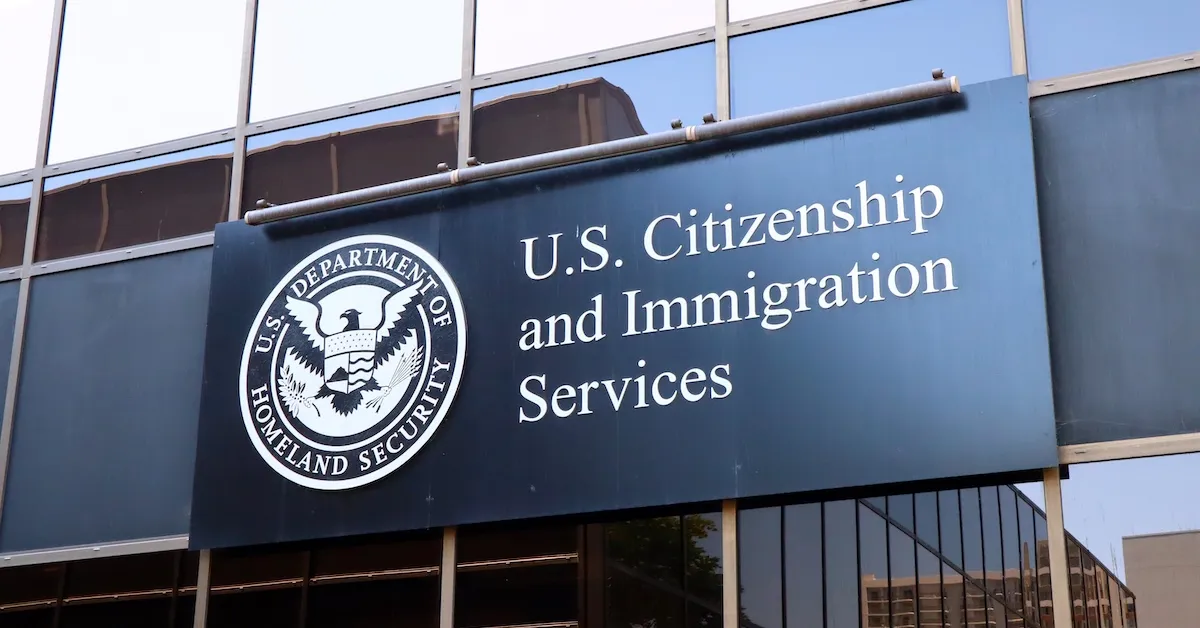
The DOJ has filed a civil action seeking to revoke the U.S. citizenship of a former Marine, Nicholas Eshun — originally from Ghana — after he was court‑martialed and dishonorably discharged for alleged sexual misconduct involving a minor.
Eshun immigrated to the United States in 2011, enlisted in the Marine Corps the same year, and was naturalized in 2013 under the expedited naturalization provision available to U.S. service-members.
According to DOJ, he was later deployed overseas and engaged in “inappropriate and lewd” communications with someone he believed was a 14‑year‑old girl — in fact, the person was an undercover agent working with the Naval Criminal Investigative Service (NCIS).
Following a court‑martial and conviction for attempted sexual abuse of a minor, Eshun was dishonorably discharged from the Corps in May 2016 — after roughly 4½ years of service.
Because he failed to meet the statutory minimum of five years of honorable service required to retain naturalization under the military‑naturalization rule, the DOJ argues he is subject to de-naturalization under federal immigration law.
Deputy Attorney General Todd Blanche said in a Department statement that “citizenship is not a shield for criminals who never deserved it in the first place,” calling Eshun’s case “a betrayal of the uniform” and a threat to public safety.
Assistant Attorney General for the Civil Division, Brett A. Shumate, echoed the sentiment, noting that the case underscores the government’s commitment to pursue de-naturalization where warranted.
This de-naturalization case comes amid a broader DOJ effort — under the current administration — to prioritize revocation of citizenship for naturalized individuals convicted of serious crimes. A June 2025 memo directed the Civil Division to aggressively pursue de-naturalization cases for a wide range of offenses, including violent crimes, child sexual abuse, fraud, and other major criminal conduct.
The government has framed de-naturalization as a tool to hold criminals accountable, even if they gained citizenship through service or naturalization.
Legal and civil‑rights advocates, however, warn the expansion of de-naturalization proceedings could create a second‑class system for naturalized citizens. They argue it raises due‑process concerns and may disproportionately target immigrant communities — particularly those who served in the military or otherwise obtained citizenship through naturalization.
The DOJ’s civil complaint is filed in the District of Maryland. If the court grants the request, Eshun will be stripped of his certificate of naturalization and lose U.S. citizenship.











Add new comment