
From Fraud Charges to Immigration Raids: Minnesota’s Somali Community Under Federal Focus
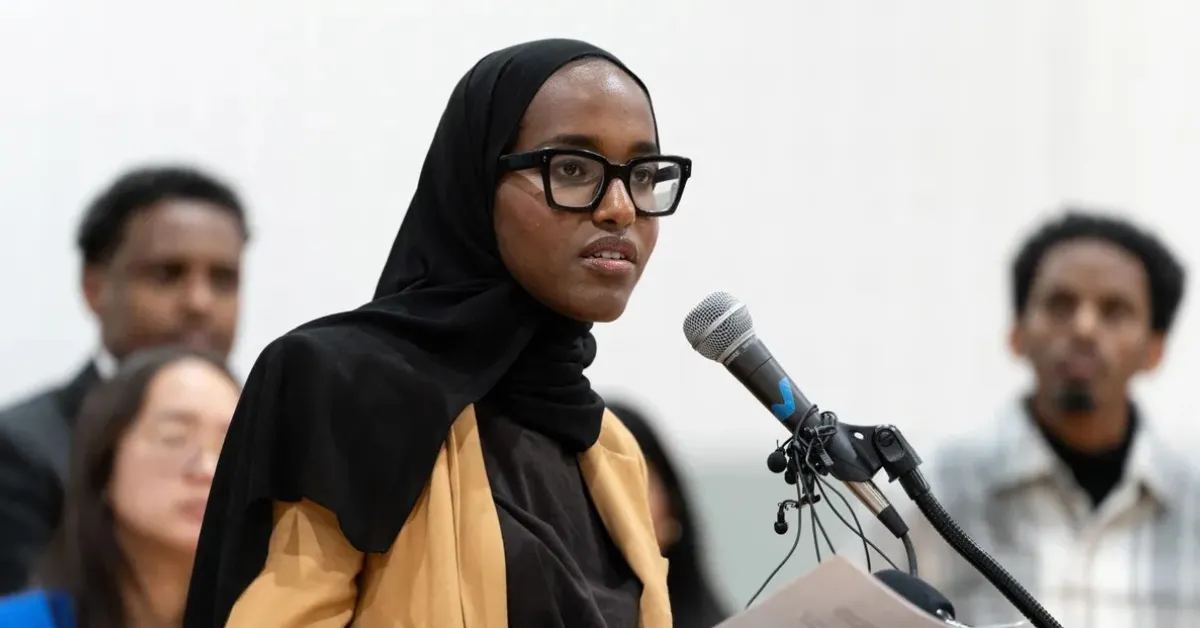
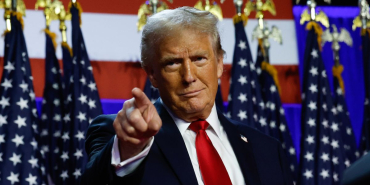
The US government’s latest crackdown in Minnesota, framed by the administration as a necessary response to a sprawling fraud scandal, has thrust the state’s Somali community into the national spotlight and ignited a fierce debate over immigration enforcement, civil liberties, and political rhetoric. Federal authorities, including the Department of Homeland Security and the FBI, have significantly increased operations in the Minneapolis-St. Paul area, citing alleged large-scale misuse of federal funds in social service programs that prosecutors say involved predominantly Somali-linked operators. President Donald Trump and senior US officials have pointed to these cases as evidence of systemic abuse, justifying enhanced immigration enforcement measures and stricter oversight of funding to the state.
RELATED: FBI Expands Minnesota Probe into $250M Federal Fraud Linked to Kenya
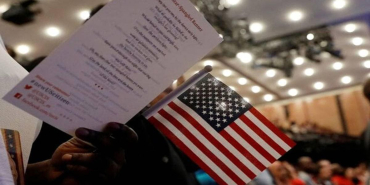
In recent weeks, the Department of Homeland Security announced it is auditing immigration and naturalization cases of US citizens of Somali origin to determine whether fraud occurred during the process, potentially leading to de-naturalization — the rare legal proceeding that could strip citizenship from individuals found to have obtained it fraudulently. White House Press Secretary Karoline Leavitt reiterated that de-naturalization is among the tools the administration may deploy in response to what it frames as fraud tied to federal aid programs. At the same time, the Department of Health and Human Services has frozen tens of millions of dollars in federal child care funding to Minnesota, demanding stringent verification and receipts for program expenses amid ongoing investigations.
Republican lawmakers from Minnesota have embraced the administration’s hardline stance. Congressman Tom Emmer has publicly called for the de-naturalization and deportation of individuals implicated in the fraud investigations, linking the misuse of federal funds to broader immigration concerns and urging legal changes to expedite removals. At the same time, the rollback of Temporary Protected Status for Somali migrants in Minnesota — a move that terminates specific legal protections against deportation for refugees from conflict zones — has heightened anxiety among immigrants who arrived under longstanding humanitarian programs.
The focus on Minnesota’s Somali community stems in part from high-profile fraud cases such as the Feeding Our Future scandal, in which prosecutors uncovered schemes involving millions of dollars in federal food aid and other social services that were never delivered as claimed. Federal prosecutors have charged dozens of individuals in connection with these and related investigations, with most of those charged identified as Somali Americans. Authorities argue that the scale of these frauds necessitates broad investigative and enforcement responses.
Local and national immigrant rights advocates, community leaders, and some state officials have criticized the federal approach, saying it risks stigmatizing an entire ethnic group for the actions of a relative few. They warn that aggressive immigration actions — including ICE raids in Somali-majority neighborhoods, reported stops of individuals for document checks, and the de-naturalization audits — are sowing fear and undermining trust in law enforcement among lawful residents, many of whom are US citizens. Minnesota Governor Tim Walz has condemned what he describes as politically motivated policies that unfairly target Somali Americans and could harm families and neighborhoods already working to integrate and contribute to the state’s economy.
The controversy has quickly become a flashpoint in wider national disputes over immigration policy, accountability for fraud in government programs, and how to balance enforcement with the protection of civil rights. Supporters of the administration’s actions argue that strong measures are essential to protect taxpayer funds and uphold the rule of law. Opponents counter that broad enforcement tied to the fraud cases amounts to collective punishment and is being used to advance an immigration agenda that goes beyond addressing illegal acts, particularly as most of Minnesota’s Somali residents are naturalized US citizens with deep roots in the community. The outcome of audits, funding decisions, and legal challenges in the coming months is likely to shape federal-state relations and immigration discourse across the country.






Comments
They spoilt their country…
Permalink
They spoilt their country most of these stolen funds end up in Kenya .They have taken over Eastleigh and parts of South B.They need to go back to their country and those uncouth Kenyans who sold them properties basically receiving stolen funds should also be prosecuted.Send them back to their camels and Khat .Wakae kwao.Theft and criminality runs in their blood we tried to build them a university in Garissa they turned around and killed students.They are warlike hence their nickname waaria.
Add new comment