
Why Kenyan Homebuyers Want More Than Just Buildings
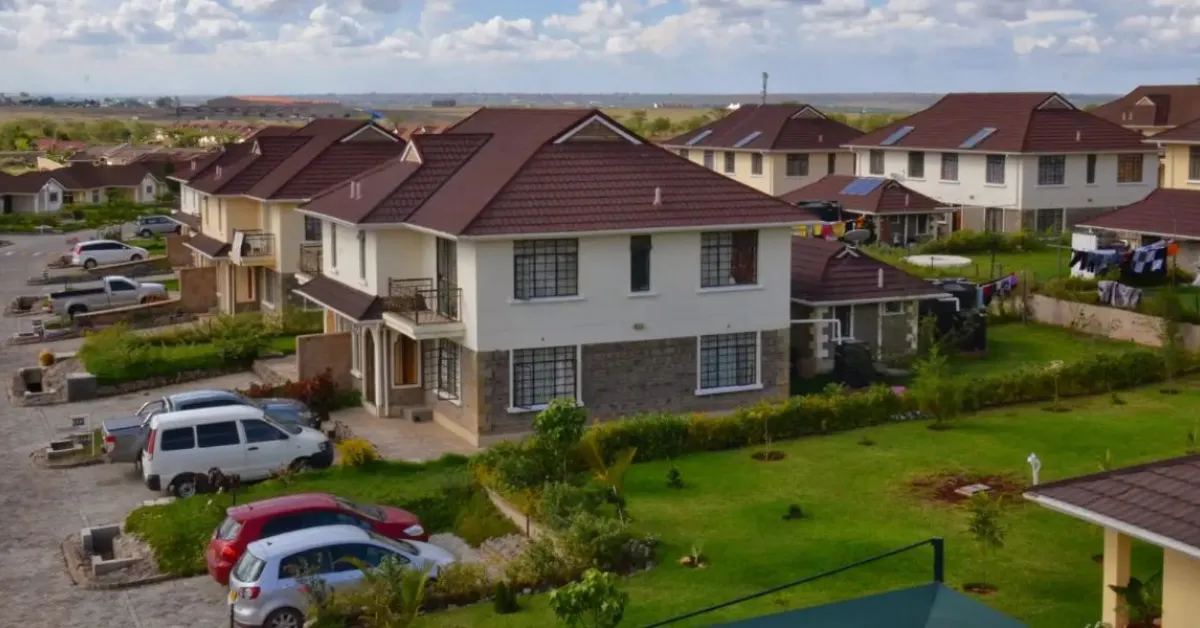
Kenya’s real estate sector is shifting towards developments centred on services, experience, and long-term engagement, as developers combine property with hospitality, wellness, and flexible working environments.
According to the Kenya National Bureau of Statistics, the real estate sector contributes more than Sh364.6 billion to Kenya’s GDP. The wider construction and property industry accounts for more than 15 per cent of the economy, while tourism is projected to generate about Sh650 billion annually.
The growing connection between these sectors is changing how value is created within the market. Developers are moving away from the traditional model of building properties, selling them, and exiting projects. Instead, they are focusing on long-term engagement with residents, tenants, and visitors.
Hospitality is increasingly becoming central to this approach by integrating services, technology, wellness, and community into daily life. This trend, often described as the “hotelification” of real estate, is influencing residential, commercial, and mixed-use developments.
The shift is also changing how projects generate income. Real estate has traditionally earned value through the use of physical space, while hospitality generates revenue through customer experience and time spent within a property.
Developers are now combining these approaches by introducing co-working spaces, wellness facilities, memberships, retail outlets, and events as additional revenue streams. Performance is increasingly measured by repeat visits, length of stay, and user engagement rather than occupancy alone.
Changes in workplace culture are also influencing the market. As hybrid working becomes more common, conventional office buildings that provide only desks and meeting rooms are becoming less attractive.
Demand is growing for workplaces that combine productivity with social interaction and personal well-being. Developers that fail to meet these expectations risk losing relevance.
Wellness has also become a key consideration in modern developments. Developers are placing greater emphasis on mental health, air quality, natural lighting, and acoustic design alongside traditional amenities.
Buildings are increasingly assessed on their ability to support healthier and more balanced lifestyles, in addition to financial returns and floor space. The market is also seeing rising demand for identity-led living.
Younger professionals and urban residents are seeking spaces that reflect their values, lifestyles, and aspirations. As a result, developers are placing greater importance on design, branding, and community in order to create projects with a distinct identity.

















Add new comment