
Nairobi Apartment Prices Fall as Demand for Standalone Homes Rises
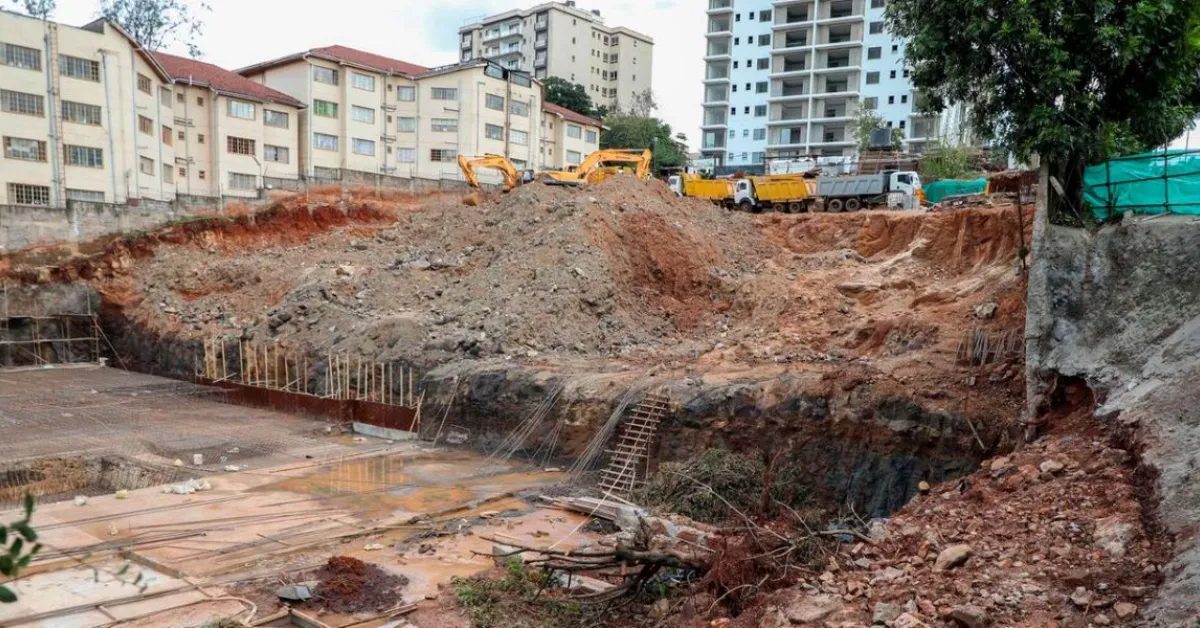
Apartment prices in Nairobi’s prime neighbourhoods and satellite towns have declined over the past three years, while the value of standalone houses has continued to rise.
Data from the Kenya National Bureau of Statistics (KNBS) shows that demand for private homes remains strong despite weaker performance in the apartment market. By the end of 2025, the average price of a three-bedroom apartment in Eastlands and satellite towns such as Mavoko and Kiambu had fallen to Sh18 million from Sh21 million in 2022.
In high-end areas including Lavington, Riverside and Karen, similar apartments sold for Sh18.9 million, compared with Sh20 million three years earlier. Larger apartments recorded the sharpest declines, with five-bedroom units dropping from Sh54 million in early 2022 to Sh40 million by 2025.
In contrast, standalone homes increased in value during the same period. A three-bedroom house in Nairobi’s upper-income areas rose to Sh23.5 million from Sh20.25 million, while prices in middle-income neighbourhoods increased slightly to Sh8.25 million. Analysts said the rise was driven by strong demand, limited supply and a growing preference for suburban living.
KNBS said apartments continued to face downward pressure because of weaker demand, oversupply in some urban areas and changing buyer preferences. Property consultants noted that developers increased apartment construction in high-end districts to recover rising land costs, leading to higher housing density.
Real estate consultant Johnson Ndenge said demand from expatriates had declined, while more local buyers preferred owning homes for occupation rather than rental investment. He also noted that slower growth in the Airbnb market had reduced investor interest in premium apartments.
The latest housing index from HassConsult reflected the same trend. Ten of the 18 suburbs and satellite towns surveyed recorded falling apartment prices in the year to March 2026. Westlands posted the largest decline at 7.9 percent, followed by Upperhill at 6.8 percent. Lavington, Ongata Rongai and Ruaka also reported lower apartment values.
At the same time, standalone houses increased in value across 11 of the 14 suburbs tracked by the index. Karen and Lavington recorded double-digit growth, while satellite towns including Tigoni and Ruiru rose by 6.3 percent and 6.2 percent respectively.
Developers have increasingly turned to Nairobi’s outskirts, where land is more accessible and suitable for larger housing projects. This has supported the construction of standalone homes aimed at buyers seeking more space and privacy.
HassConsult Co-CEO Sakina Hassanali said the supply of standalone houses remained limited because such developments required large amounts of land and significant capital investment. She added that strong demand combined with low supply continued to support prices.
Despite the decline in apartment prices, Nairobi’s rental market continues to offer comparatively high returns. Average rental yields remain around 8 per cent, above the global average of 3 to 4 percent, indicating sustained demand for rental housing.
However, analysts warned that inflationary pressures linked to geopolitical developments, including the conflict involving Iran, could reduce household spending power and slow rent growth.



















Add new comment