
Central Bank of Kenya Warns Inflation Could Hit 6.2% as Global Oil Pressures Mount
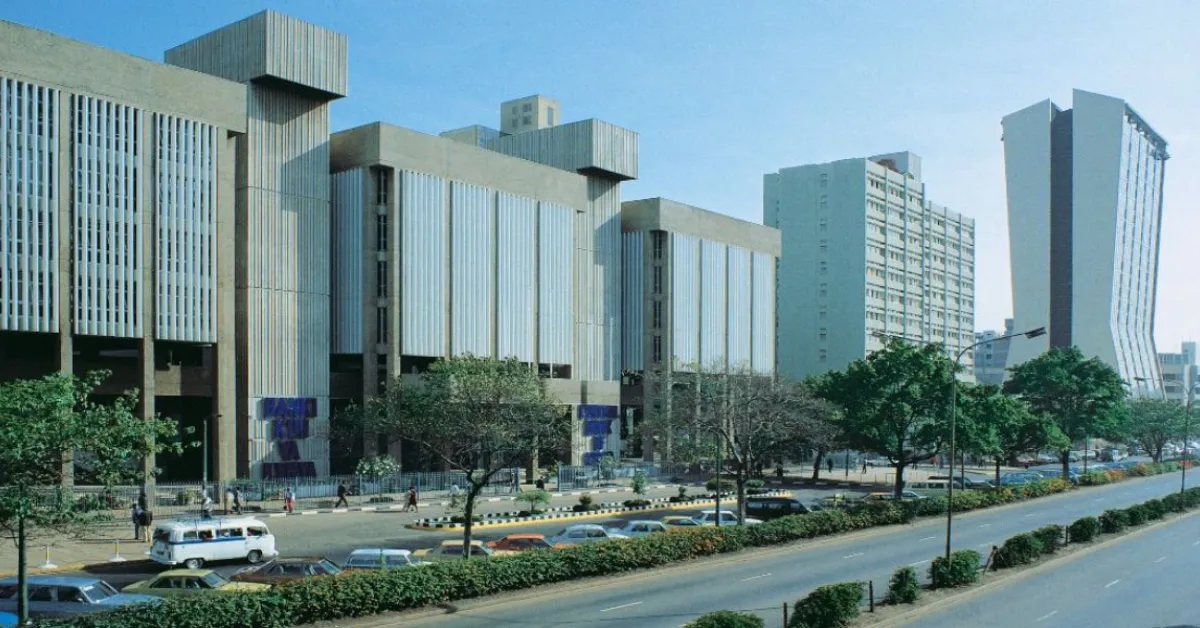
Kenya’s inflation rate could rise to 6.2 percent in July if disruptions to global oil supplies persist, the Central Bank of Kenya (CBK) has said.
The warning reflects growing pressure from higher fuel costs linked to supply disruptions through the Strait of Hormuz. The CBK said the increase would mark the highest inflation level since early 2024 and highlights Kenya’s exposure to external energy shocks.
Diesel and kerosene remain essential for transport, electricity generation, and household use, making the economy particularly sensitive to changes in global oil prices. Fuel prices have already increased significantly. Diesel rose from Sh166.54 to Sh206.97 per litre in the period to mid-May.
The increase follows reduced oil flows through the Gulf passage, which carries nearly 20 percent of global supply. CBK Governor Kamau Thugge said that if the price shock continues for several months, inflation will exceed the bank’s five percent target midpoint before easing later in the year.
In response, the central bank has paused its cycle of interest rate cuts as it monitors price developments. The rise in inflation comes as real wages continue to decline. Earnings, adjusted for inflation, fell by 0.3 percent last year, marking a fifth consecutive annual drop in purchasing power.
Employers have largely held back on wage increases despite rising living costs. At the same time, transport operators have raised fares by 25 percent to offset higher diesel costs, increasing the financial burden on commuters.
The CBK expects inflation to remain within the official target range of 2.5 to 7.5 percent. It cited favourable weather conditions supporting food production and a relatively stable exchange rate as moderating factors.
The Kenyan shilling has traded between Sh129 and Sh130 against the US dollar. The benchmark interest rate currently stands at 8.75 per cent, down from 13 percent in 2024.





















Add new comment