
Kenya Launches Ksh47 Billion Sponge City Project to Reduce Nairobi Flooding
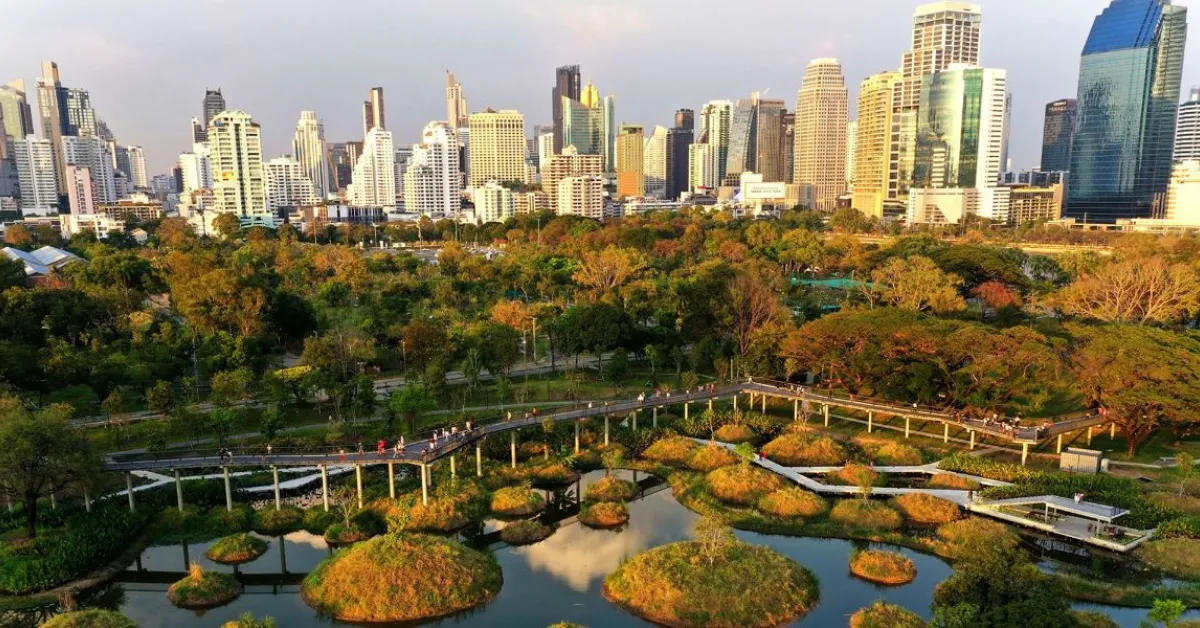
The Kenyan government has announced a Ksh47 billion Sponge City Project aimed at managing stormwater and reducing floods in Nairobi.
Prime Cabinet Secretary Musalia Mudavadi presented the plan to Parliament on 2 April. The initiative will apply sponge city principles, a model developed in China, to capture, store, and reuse rainwater through green infrastructure such as wetlands, permeable pavements, and rooftop gardens. The goal is to manage water sustainably, reduce flood risks, and improve the city’s water security.
The Flood Resilience Masterplan will be implemented in three phases. The first phase, beginning this year, focuses on clearing blocked drains, mapping flood-prone areas, and strengthening early warning systems. The second phase, scheduled through 2028, includes large-scale drainage improvements such as underground retention tanks and rehabilitation of rivers, including the Mathare and Ngong.
The final stage, running from 2028 to 2032, aims to embed long-term resilience through green corridors, climate-proof infrastructure, and a dedicated investment fund. The Sponge City Project is part of the Nairobi Rising Programme, a Ksh80 billion partnership between the national government and Nairobi County signed earlier this year.
The programme covers roads, housing, sewerage, and urban planning, reflecting a broad effort to modernise the capital’s infrastructure. President William Ruto and Governor Johnson Sakaja endorsed the plan in February.
Emergency measures are already in progress. Teams have cleared stormwater channels in neighbourhoods including Mathare, Mukuru, Eastleigh, South B, and the central business district. River sensors and public alert systems now provide real-time flood warnings.
Mudavadi emphasised that Nairobi’s vulnerability stems largely from decades of poor enforcement, with the new plan prioritising compliance and accountability.












Add new comment