
Nicolás Maduro: From Bus Driver to Venezuela’s Most Powerful Strongman
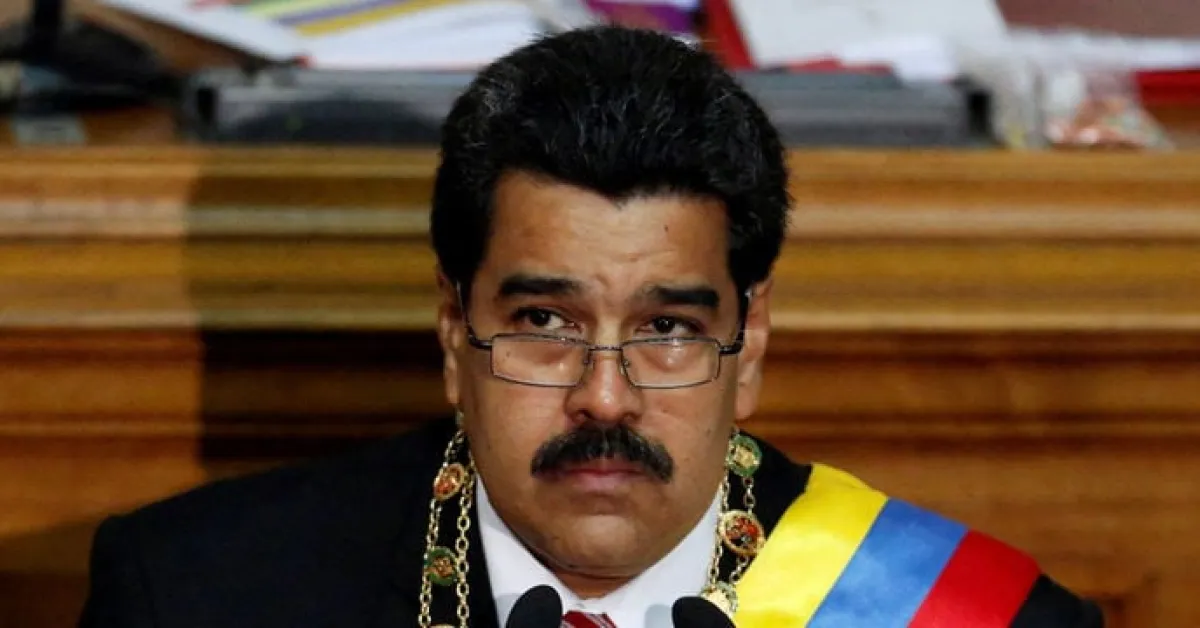
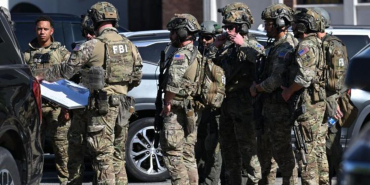
US forces captured Venezuelan President Nicolás Maduro on Saturday and flew him out of the country, President Donald Trump announced, ending Maduro’s twelve years in power.
Maduro, 63, succeeded Hugo Chávez and continued his socialist agenda and confrontational stance towards the United States. Unlike Chávez, he failed to maintain broad public support. His presidency was marked by disputed elections, the detention of political opponents and restrictions on dissent. Despite international condemnation, he was sworn in for a third term in January 2025 after a vote that foreign observers described as illegitimate. Protests against the result were met with mass arrests.
Economic Collapse and Human Rights Abuses
During Maduro’s rule, Venezuela experienced a prolonged economic crisis. Oil revenues fell sharply, inflation surged and shortages of food and medicine became widespread. By 2024, the United Nations reported that more than 80 per cent of the population lived in poverty, with over half facing extreme hardship. Millions left the country.
Political unrest was frequently met with force. Protests in 2017 resulted in 125 deaths, while later demonstrations in 2019 and 2024 led to further fatalities and large-scale detentions. A recent UN fact-finding mission concluded that members of the Bolivarian National Guard committed crimes against humanity while targeting political opponents. In 2025, opposition leader María Corina Machado received the Nobel Peace Prize, highlighting international support for Venezuela’s pro-democracy movement.
Maduro’s removal followed months of heightened tensions with Washington. US authorities accused him of corruption and involvement in drug trafficking, allegations he denied. In August, the US increased its reward for information leading to his capture to $50 million. Trump authorised expanded CIA operations in Venezuela last October and ordered additional US military deployments in the Caribbean.
The US also carried out strikes on vessels it said were linked to narcotics trafficking. Economic sanctions were tightened, further restricting Venezuela’s access to international markets. Maduro described these measures as an economic attack aimed at weakening the country and controlling its oil resources.
Political Rise and Personal Background
Maduro was born in 1962 and worked as a bus driver before entering politics. He became active during Chávez’s failed coup in 1992 and later supported his rise to power. After Chávez won the presidency in 1998, Maduro served as a lawmaker, foreign minister and president of the National Assembly, building international ties with support from oil revenues.
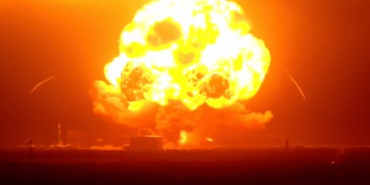
He narrowly won the presidency after Chávez’s death in 2013. His administration soon faced falling living standards and public frustration. Early in his term, he ordered troops to enforce price cuts in appliance shops, a move that briefly eased public anger but failed to address deeper economic problems. In 2018, he survived an attempted assassination involving explosive-laden drones at a public event.
Maduro’s wife, Cilia Flores, a senior political figure, was also captured and removed from Venezuela, according to Trump.
Uncertain Path Ahead
Maduro’s departure leaves Venezuela facing a complex transition. The opposition must address damaged institutions, widespread poverty and public mistrust.





Add new comment