
Big Promises, Low Numbers: Inside the Struggle of Kenya’s Housing Programme
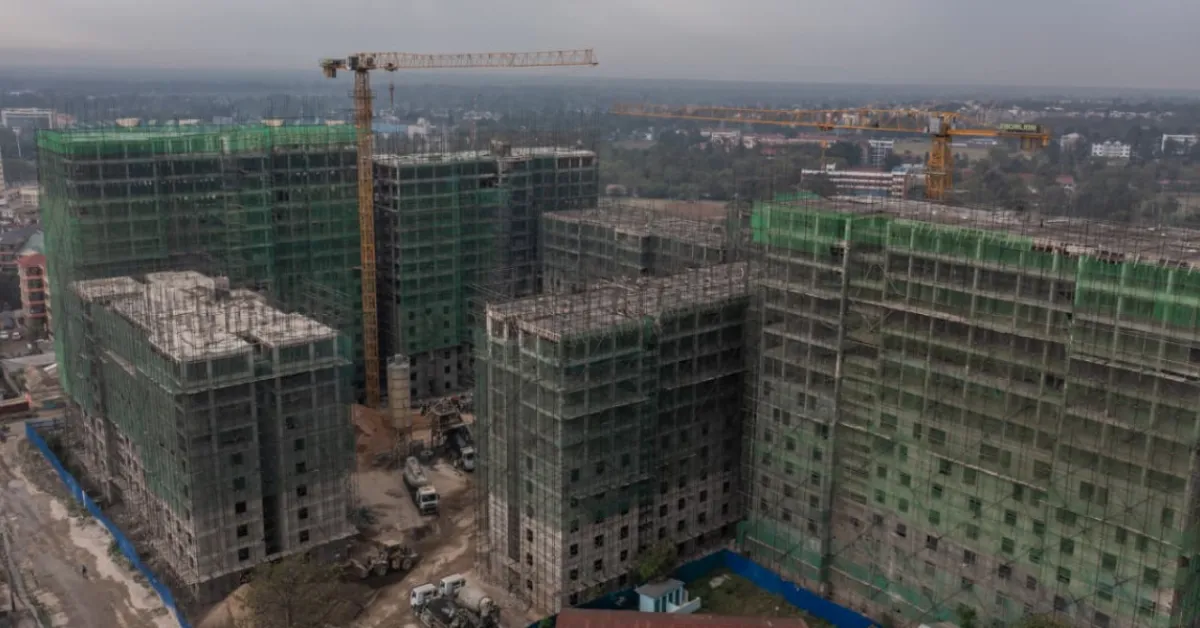
Kenya's flagship affordable housing programme is facing growing concerns after official data revealed fewer than 300,000 citizens had registered for housing units by mid-2025, significantly falling short of the government's claims of nearly one million registrations.
By June 2025, only 292,326 people had signed up on Boma Yangu, the digital platform for housing applications, far below the 565,800 registrations initially targeted by the State. This accounts for just 0.5 percent of the country's population of 53.3 million.
The State Department for Housing and Urban Development acknowledged that the registration target had not been met, with fewer people signing up than expected. Discrepancies between the figures reported by government officials and the actual data on the platform have raised questions about the accuracy of the reported numbers.
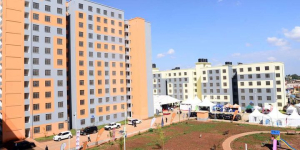
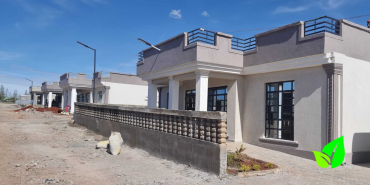
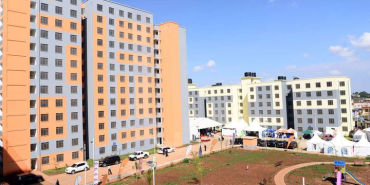
The programme's construction progress has also lagged. Between July 2022 and June 2025, the government completed just 2,075 housing units, including 605 in Bondeni, Nakuru, and 1,080 in Mukuru, Nairobi. Several other institutional and prison units were also finalised. However, legal challenges and delays in passing necessary regulations for the Housing Levy hindered progress, resulting in missed targets for more than 217,000 affordable units and 80,000 social housing units.
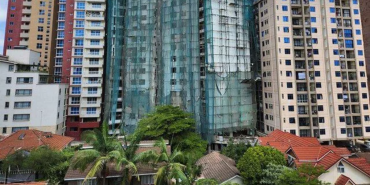
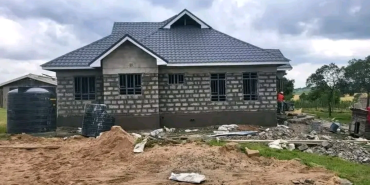
Ongoing projects remain unfinished, with many still at low completion rates, including 62,123 affordable units at 32 percent complete, 44,803 social units at 17 per cent, and 11,527 institutional units at 22 percent. Despite the slow pace, the government has already spent Sh81.4 billion on housing construction over the past three years.
The total budget for the Affordable Housing Programme (AHP) from July 2023 to June 2032 is Sh627 billion, though spending in the initial years has been limited due to regulatory delays. Occupancy rates for completed projects have been high, with all units in Homa Bay and Mukuru fully occupied, and 80 percent of the units in Bondeni already taken.
This indicates strong demand for housing, even as broader registration figures remain lower than anticipated. The government's goal is to deliver 500,000 housing units by 2029, down from an initial target of 250,000 units annually. To meet this revised target, more than 124,000 units must be completed each year starting from July 2025.
However, given the limited delivery of just 2,075 units in the past three years, it remains uncertain whether this target is achievable. The government aims to increase revenue from housing sales from Sh15.25 billion to Sh579 billion by 2029, and funding for the programme is expected to rise by 18 per cent in the coming fiscal year, to Sh112.28 billion.



Add new comment