
FIFA World Cup 2026 Broadcast Rights Negotiations Progress in India
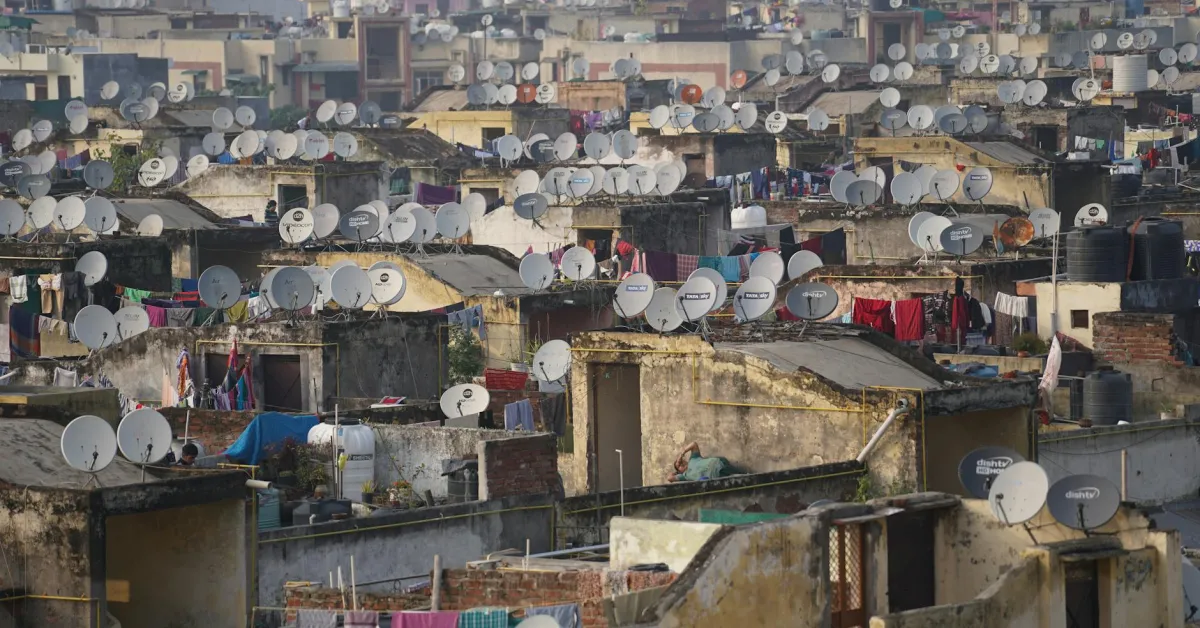
As the FIFA World Cup 2026 approaches, broadcasting rights in India have entered a critical phase. Zee Entertainment Enterprises Ltd. is reportedly in negotiations to secure the rights for the tournament, which is set to kick off on June 11, 2026. This development comes after a prolonged deadlock that had left fans uncertain about how they would access the matches.
The FIFA World Cup is one of the most-watched sporting events globally, and securing broadcasting rights in India is particularly significant given the country's vast and passionate football fanbase. The negotiations with Zee Entertainment are seen as a crucial step in ensuring that Indian viewers have access to the tournament, which will be co-hosted by the United States, Canada, and Mexico, marking the first time the World Cup will feature 48 teams instead of the traditional 32.
Historically, India's relationships with international sports broadcasting have been complex, influenced by various factors including viewer preferences, market dynamics, and competition among broadcasters. Previous World Cups have seen intense bidding wars, reflecting the lucrative nature of sports broadcasting in a nation where cricket has traditionally dominated the sports landscape. However, football has been steadily gaining popularity, especially with recent successes of the Indian Super League and the national team's improved performance.
The discussions between Zee Entertainment and FIFA come at a time when the demand for live sports content is soaring. Digital platforms are increasingly becoming a central part of the broadcasting strategy, with many companies exploring how to engage younger audiences who prefer streaming over traditional television. If Zee Entertainment secures the rights, it may also look to leverage digital platforms to reach a broader audience, potentially including mobile streaming options.
The implications of these negotiations extend beyond just viewership in India. Successful broadcasting arrangements could foster greater interest in football across the region, possibly inspiring investment in local leagues and grassroots programs. Increased visibility of global tournaments like the World Cup can encourage youth participation in the sport, which is vital for the development of football in emerging markets.
As the negotiations progress, it's important to observe how they will unfold in the coming weeks. Key factors to watch include the finalization of the deal, any potential partnerships with digital platforms, and the marketing strategies that will be employed to engage fans in the lead-up to the tournament. The outcome could set a precedent for future sports broadcasting deals in India and influence the broader landscape of sports media rights in the region.
With only weeks remaining before the World Cup, both fans and stakeholders are eager for a resolution that ensures comprehensive coverage of the event. The stakes are high not only for Zee Entertainment but also for the future of football in India and potentially for other developing nations where football's popularity is on the rise.












Add new comment