
Kenyan Delegation Visits Philippines to Learn Migrant Worker Protection Framework
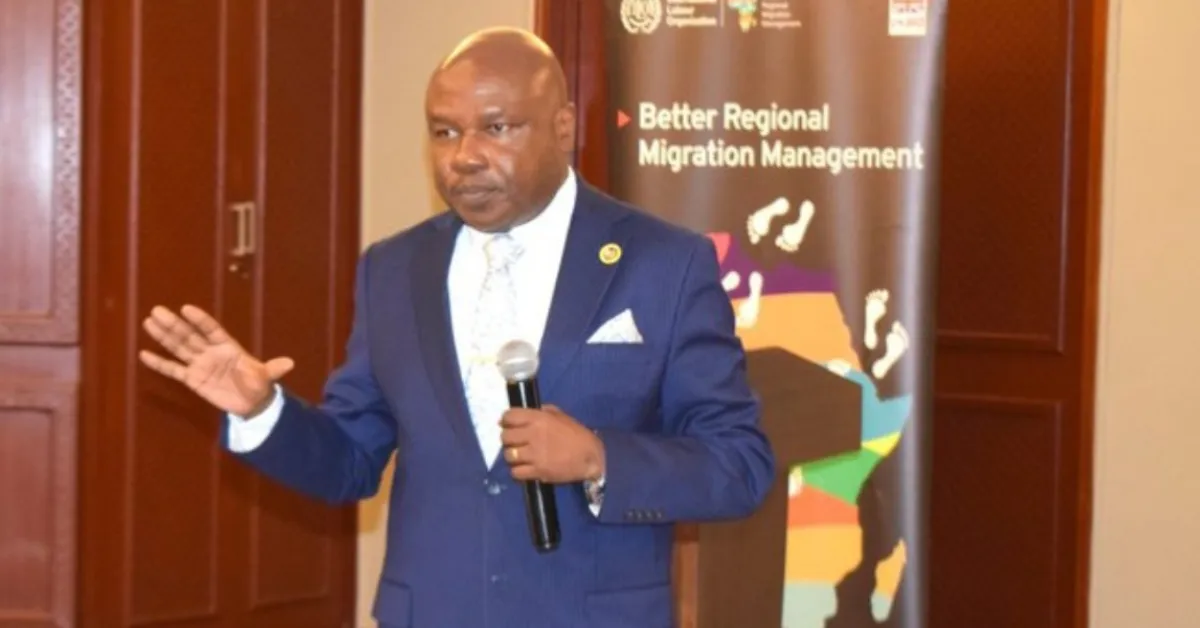
Kenya’s Principal Secretary for Labour, Shadrack Mwadime, has led a regional delegation to the Philippines to study systems for protecting migrant workers, with a focus on labour migration governance and union participation.
The visit was organised as a benchmarking mission aimed at strengthening safeguards for migrant workers from the East and Horn of Africa. During meetings in Manila with labour organisations and trade unions, Mwadime described the Philippines’ Department of Migrant Workers as one of the most developed state-led labour migration systems globally.
The delegation examined how trade unions in the Philippines support migrant workers by defending labour rights, promoting fair treatment, and safeguarding remittances sent to workers’ home countries. Mwadime said the Kenyan delegation was interested in how unions act as representatives for workers through lobbying, advocacy, and partnerships that uphold international labour standards and decent work conditions.
Discussions also focused on cooperation between labour institutions in countries of origin and destination. Mwadime noted that such collaboration is essential for developing effective migration policies across Africa, adding that regional learning and cooperation can help establish safer and more orderly migration pathways. He said the mission was intended to ensure that citizens working abroad are supported and protected throughout their employment.
As part of the programme, the delegation visited the Department of Migrant Workers in Manila, where officials outlined the Philippines’ structured approach to labour mobility. The model combines government oversight with union engagement and is widely regarded as a framework for balancing labour export with worker welfare. Delegates discussed how this approach addresses ethical recruitment and long-term protection for migrant workers.
The visit followed Mwadime’s recent engagement with Kenya’s ambassador to Thailand, Lucy Kiruthu, which focused on the welfare of Kenyans working in Thailand and other parts of Southeast Asia. Those discussions covered ethical recruitment, technical and vocational training, and skills exchange initiatives aimed at improving employment outcomes for Kenyan workers abroad.
Mwadime said the key challenge would be applying lessons from these international engagements to domestic reforms, with the aim of ensuring that African migrant workers receive consistent protection and fair treatment wherever they are employed.















Add new comment