
‘Night running’: How a Feared Rural Practice Found New Meaning in Kenyan Cities
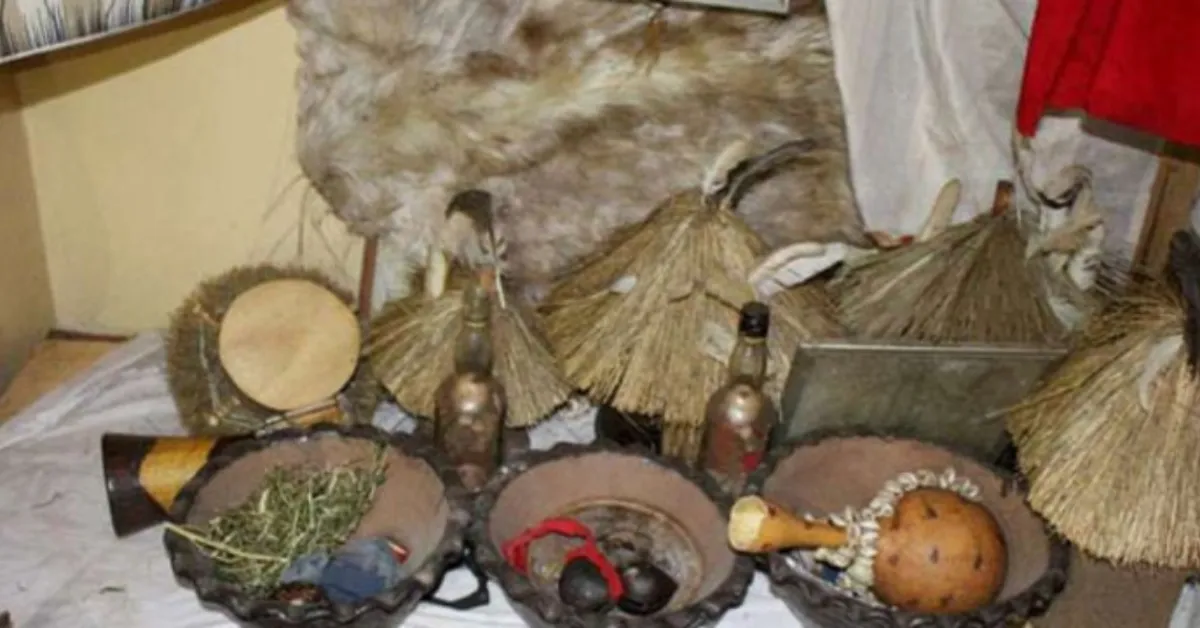
Night running, once treated as a dangerous rural taboo, has been reworked in Kenya’s media and urban culture into a symbolic way of describing life and work after dark.
In parts of Kenya, Uganda and Tanzania, reports persist of people who move through communities at night without clothing, alarming residents with disruptive behaviour. In Kenya they are commonly called night runners, while in neighbouring countries they are known as night dancers. They are often believed to be under spiritual influence and are associated with acts such as throwing stones on rooftops, making animal-like sounds, banging on doors and pursuing people travelling at night.
In western Kenya, particularly in Kisumu and Vihiga counties, night running has long been regarded as socially unacceptable. It is rarely discussed openly and is closely linked to ideas of witchcraft and moral deviance. Despite this silence, the subject has appeared regularly in public debate, most visibly through newspaper reporting.
A review of Kenyan newspapers published between 1990 and 2020 shows a clear shift in how night running has been represented. During the 1990s, reports largely framed it as a criminal or supernatural threat. Articles frequently covered attacks on people accused of practising witchcraft, including killings.
Letters sent to newspaper editors often supported such actions. In February 1993, a letter published in The Standard described the burning of suspected witches in Kisii as justified, reflecting the strength of public hostility at the time.
By the early 2000s, this portrayal began to change. A column in The Standard titled The Night Runner, written by Tony Mochama, adopted the figure of the night runner as a narrative voice. Writing as a self-styled night runner, Mochama described his movements through Nairobi after dark, including visits to football matches, parties and official functions. The column shifted the idea of night running from a rural fear to an urban metaphor.
Through this approach, the night was presented as a period of activity rather than rest. The night runner became a device for exploring Nairobi’s social life after dark and the informal systems that operate beyond daylight hours. In this setting, night running was no longer depicted as deviant behaviour but as a way of navigating the city outside conventional routines.
The contrast between rural and urban meanings highlights the complexity of the practice. In villages, night running remains linked to secrecy, stigma and accusations of witchcraft. In cities, it has been absorbed into popular culture, where humour and creative writing have softened its associations. Mochama’s column, which ran between 2006 and 2012, combined surreal storytelling with observation of urban society.
Anthropological accounts have described the night runner as a figure with heightened perception, sometimes referred to as having “four eyes”. In an urban context, this idea has been used to describe familiarity with hidden networks that operate at night, including relationships between sex workers, street families and police. To move through the city at night in this sense is to understand its informal rules and power structures.
Changing representations have also influenced public attitudes. What was once widely feared has increasingly been reframed as a cultural reference point. In 2019, the BBC broadcast a documentary titled Meet the Night Runners. In 2023, a group in Homa Bay publicly sought official recognition for an association of night runners, indicating a move towards visibility rather than concealment.




















Comments
Some KENYAn Mamas do Come to…
Permalink
Some KENYAn Mamas do Come to Do NIGHT-Running in The US too. Very Strange!🤡
Add new comment