
Inside the Manifestos of Kenya’s Presidential Hopefuls
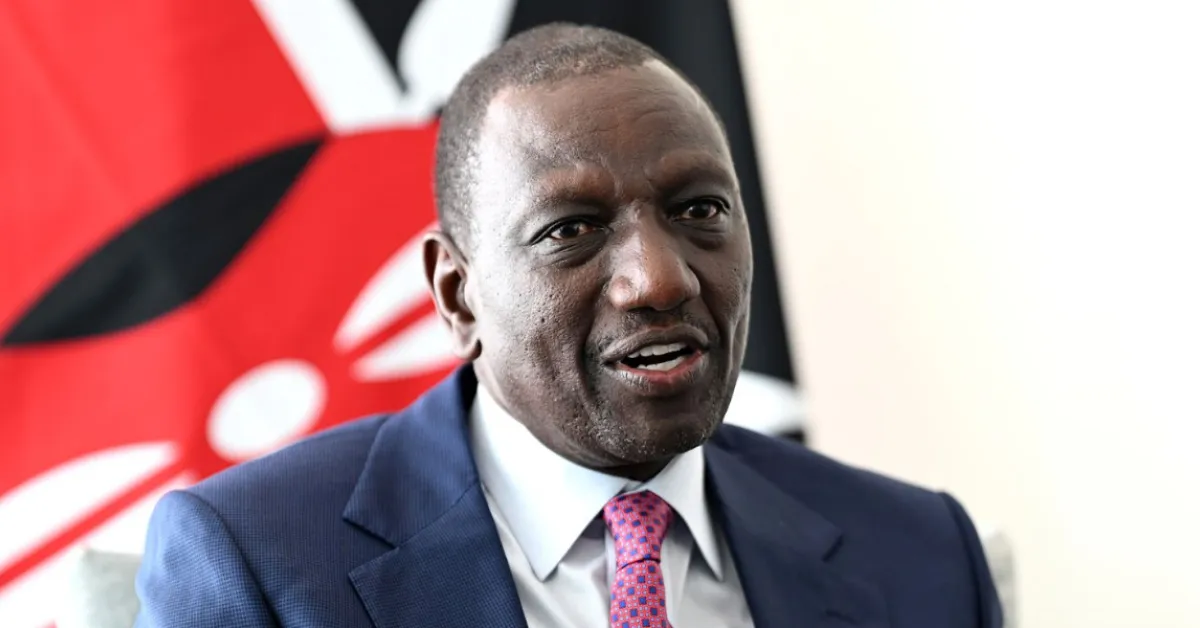
President William Ruto has outlined a programme for a second term that focuses on large-scale investment, economic expansion and major infrastructure projects, while his opponents present contrasting plans for Kenya’s future.
The 2027 presidential contest is shaping into a debate over the country’s economic direction, governance and public policy. Candidates are offering differing solutions to persistent challenges, including public debt, high living costs and concerns about institutional performance.
President Ruto has centred his campaign on ambitious development goals. In his recent State of the Nation Address, he proposed significant investment in education, food security, energy production and infrastructure. He argues that bold objectives and sustained effort are necessary to move Kenya into the ranks of developed economies.
Supporters point to initiatives such as the Hustler Fund and government efforts to restructure debt as evidence of progress. Critics, however, cite high taxation and widespread dissatisfaction with the cost of living as indications of mounting difficulties.
The opposition is divided among several candidates. Former deputy president Rigathi Gachagua has positioned himself as an advocate for households affected by taxation, pledging to restore free education and abolish the housing tax. His messaging is aimed at ordinary citizens, though observers question whether his stance represents a clear ideological alternative or primarily political opposition to Ruto.
Kalonzo Musyoka, leader of the Wiper party, is campaigning as an experienced statesman promising stability and institutional repair. His bid has gained renewed focus following the death of former prime minister Raila Odinga, with Musyoka’s campaign stressing the need to replace the incumbent rather than offering extensive policy detail.
Other candidates have advanced distinct policy proposals. Former interior minister Fred Matiang’i has built his campaign around integrity, technical competence and a “People’s Economic Compact” that emphasises debt restructuring and investment in human capital. Martha Karua, known for her reformist stance, has surprised some observers by pledging to serve only one term, arguing that limiting time in office can strengthen democratic practice.
Businessman Jimi Wanjigi has proposed a significant economic shift, including repudiating what he calls illegitimate debt and reducing taxes to expand funding for social services. The field also includes Eugene Wamalwa, Peter Munya and Justin Muturi, each highlighting accountability, the importance of devolution or growth driven by production.
Former Nairobi governor Mike Sonko, despite ongoing legal issues, is seeking political rehabilitation. Activist Boniface Mwangi is appealing to younger voters with a platform focused on combating corruption and state violence. Constitutional lawyer Okiya Omtatah and former chief justice David Maraga are campaigning on platforms of legal reform, fiscal transparency and strengthening the rule of law.
Analysts say that the opposition’s main challenge is a lack of unity. Professor Gitile Naituli asserts that fragmented ambitions among challengers have previously weakened opposition efforts. He argues that a more coordinated approach with a clear governing agenda will be necessary to compete effectively with the incumbent.












Add new comment