
$3,000 and Free Flights: US Expands Self-Deportation Offer Through 2025
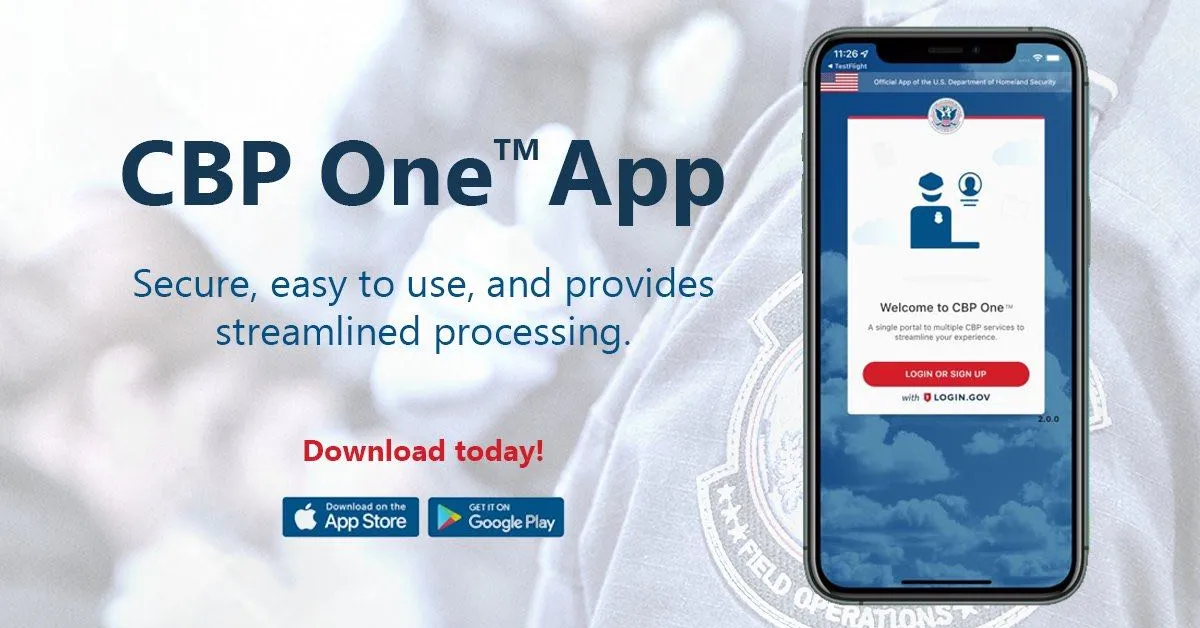
The Department of Homeland Security has dramatically increased its financial offer to undocumented migrants who voluntarily leave the United States, tripling the stipend to $3,000 for those who use the government’s self-deportation program and depart by the end of 2025, the CBS News reports. Under the revamped initiative, migrants who register their intent to leave through the rebranded CBP Home app — which has replaced the earlier CBP One platform — can receive the cash payment along with free airfare to their home countries and the waiving of certain civil fines tied to unlawful presence, if they complete their departure and DHS confirms it.
The self-deportation program is presented by US officials as a voluntary and cost-effective alternative to traditional deportation, which can exceed $17,000 per person in enforcement expenses. DHS leaders describe the offer as part of a broader strategy to encourage undocumented immigrants to leave the country on their own terms rather than face forced removal or prolonged detention by immigration authorities.
Homeland Security Secretary Kristi Noem has publicly framed the effort as a “dignified” option for those without lawful status. DHS has also launched what it describes as a wide-reaching advertising campaign to inform migrants about the self-deportation option, including digital and physical outreach that encourages use of the CBP Home app. Participation in the program can also include forgiveness of fines and penalties that might otherwise accrue for failing to leave after a final deportation order, which proponents argue makes the offer more attractive.
However, immigrant advocates and legal experts have raised serious concerns about how the program operates in practice. Independent investigations have documented cases in which migrants who believed they were promised specific payments or benefits did not receive them, or found the application process confusing and opaque. Critics argue that the incentives may be misleading or coercive, especially for vulnerable populations who may not fully understand their rights or the long-term immigration consequences of voluntary departure. Some legal analysts have also warned that the promise of future legal reentry may not align with existing immigration law, and that the program’s messaging can blur the line between voluntary and pressured decision-making.
The emphasis on self-deportation mirrors other components of the current administration’s immigration enforcement agenda, which has included expanding expedited removal procedures and urging large groups of undocumented migrants, including certain temporary protected status holders, to return to their home countries.
As the US continues debating how to address undocumented migration, the expanded financial incentives and app-based self-deportation system have sparked both political support as a cost-saving innovation and sharp criticism from immigrant rights advocates who argue it places undue pressure on communities already facing legal uncertainty. The true impact on migration patterns and the lived experiences of those considering self-departure will continue to unfold as the program progresses through the end of the year.













Add new comment