
Tad Motors Launches First Locally Assembled Electric Vehicles in Kenya
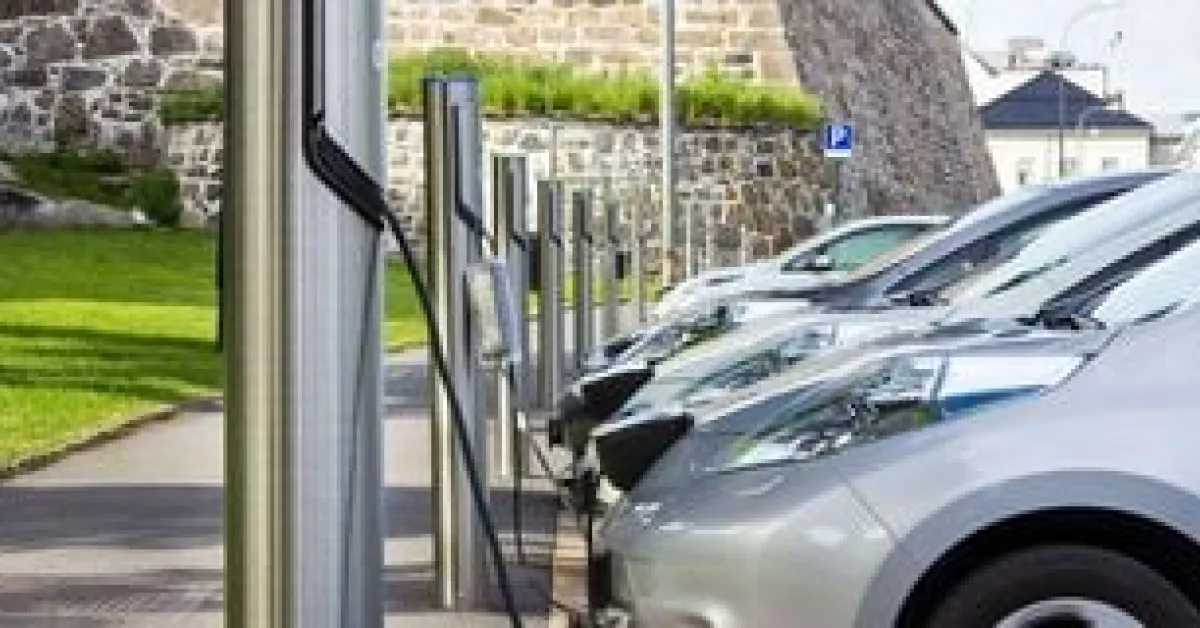
Tad Motors has unveiled its first five locally assembled electric vehicles in Kenya, marking the start of commercial sales planned for January 2026.
Kenya’s electric vehicle industry has gained momentum with the formal entry of Tad Motors, founded by Ethiopian-born Dutch entrepreneur Tadesse Tessema. The company is positioning itself as a new competitor in East Africa’s developing EV market, combining imported parts with plans for large-scale domestic production.
The initial range features two sport utility vehicles, the Dhahabu and Amani, and three saloons named Taji, Makena and Fahari. Prices run from Sh1.3 million to Sh2.6 million, targeting middle-income buyers.
Each vehicle offers a 250-kilometre driving range and can be fully charged in up to four hours using a standard household socket. While Tad Motors does not plan to build charging stations, it will offer larger battery options for customers who need extended range.
The firm began operations at the Naivasha Special Economic Zone in mid-2024 after investing $10 million. It has secured four acres for production and aims to manufacture 3,000 units a year. By September 2026, the company expects more than 80 per cent of components to be sourced and made locally, reducing dependence on Chinese suppliers and supporting Kenya’s manufacturing sector.
According to Mr Tessema, the company intends to make electric vehicles affordable for ordinary consumers by focusing on pricing and accessibility.
Regional expansion is central to the company’s strategy. Tad Motors expects 80 per cent of its output to be sold across East Africa, with Ethiopia identified as a key market due to its policy allowing only electric vehicle imports.
Mr Tessema previously operated a car assembly plant in Ethiopia in 2005 and sees this regulatory environment as favourable for exports. Tad Motors enters a small but expanding EV assembly field in Kenya. Autopax has introduced the AirEv Yetu hatchback with China’s SGMW, although mass production with local parts is still pending. MojaEV is working with Hozon Auto to assemble the Neta V subcompact SUV, which is priced at Sh4.5 million.
Tad Motors’ lower price range could heighten competition and widen consumer choice. Government incentives are also shaping the sector. Kenya has reduced excise duty on EVs to 10 per cent and exempted them from VAT, while assemblers benefit from lower import duties on completely knocked down parts.
These measures aim to speed up EV adoption and cut emissions, although much of the current assembly activity remains focused on commercial vehicles such as trucks, pick-ups and buses. The wider automotive market is recovering. Kenya Motor Industry Association data shows new vehicle sales rose nearly 25 percent in the first nine months of 2025, reaching a six-year high of 9,924 units.





















Add new comment