
Kenya’s State House Exceeds Approved Budget by 125 Percent in First Quarter
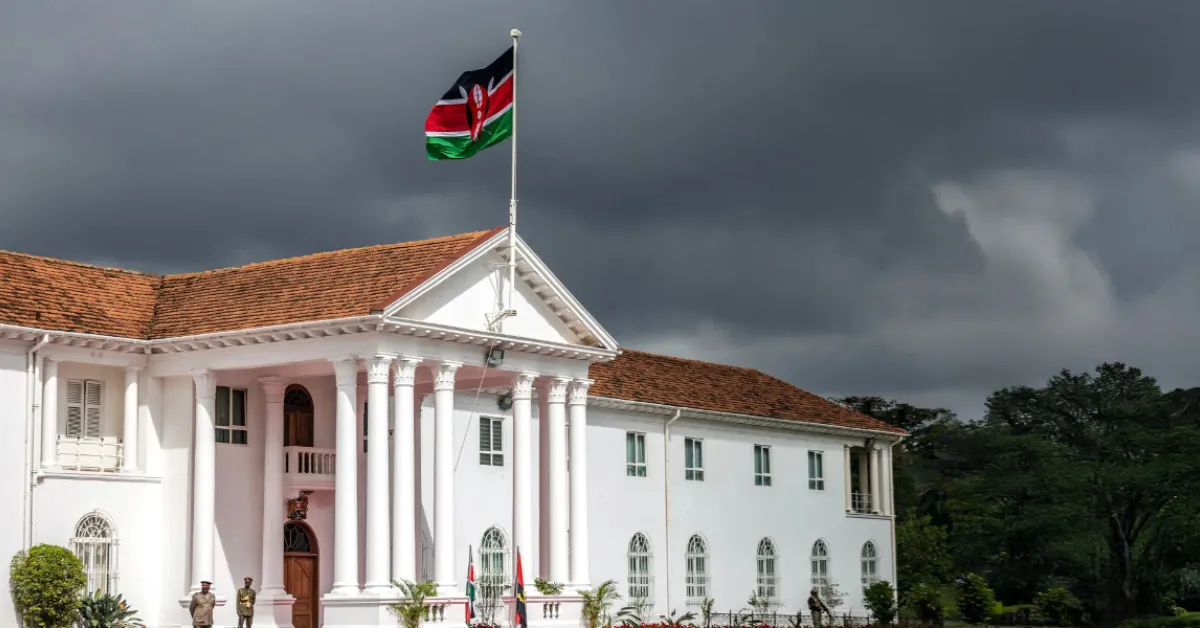
State House more than doubled its approved spending in the first three months of the financial year, new Treasury data shows.
The figures indicate that State House disbursed Sh4.32 billion between July and September against a quarterly limit of Sh1.92 billion, exceeding its ceiling by 125 per cent. It was the largest deviation recorded among national government departments and raises questions about the enforcement of spending controls within politically sensitive and security-related offices.
The Office of the Deputy President also surpassed its allocation, spending Sh1.11 billion against a target of Sh743 million. Overspending was most pronounced in the security sector, where the National Police Service, Internal Security and the National Intelligence Service collectively exceeded their ceilings by nearly Sh17 billion.
The police spent Sh36.94 billion, or Sh5.59 billion above their cap, while the Internal Security department used Sh13.99 billion against Sh7.97 billion. The intelligence service disbursed Sh17.96 billion compared with an allocation of Sh12.86 billion.
These pressures come despite Treasury assurances that fiscal consolidation remains central to government policy. In the 2025 Budget Review and Outlook Paper, Cabinet Secretary John Mbadi said the government would continue narrowing the projected Sh901 billion deficit through stronger revenue collection and tighter expenditure management.
He cited procurement and pension reforms, changes in state corporations, and wider use of public-private partnerships as part of efforts to reinforce financial discipline. The first-quarter data also show pressure in social sectors. The State Department for Social Protection and Senior Citizens Affairs spent Sh14.09 billion against a ceiling of Sh7.28 billion, which officials link to expanded cash transfers for vulnerable households and higher administrative costs.
The State Department for Basic Education reported expenditure of Sh29.21 billion, slightly above its Sh27.36 billion limit. Kenya’s Constitution offers limited room for such overruns. Article 223 allows government offices to spend up to 10 percent above their approved budgets without prior parliamentary approval, provided a supplementary budget is later submitted.
Although the Treasury has already tabled this document, the Public Finance Management regulations prevent Parliament from approving supplementary budgets that exceed the 10 percent threshold unless the spending is considered unavoidable.



















Add new comment