
Nairobi Homeowners Challenge High-Rise Developments Over Sunlight and Ventilation Loss
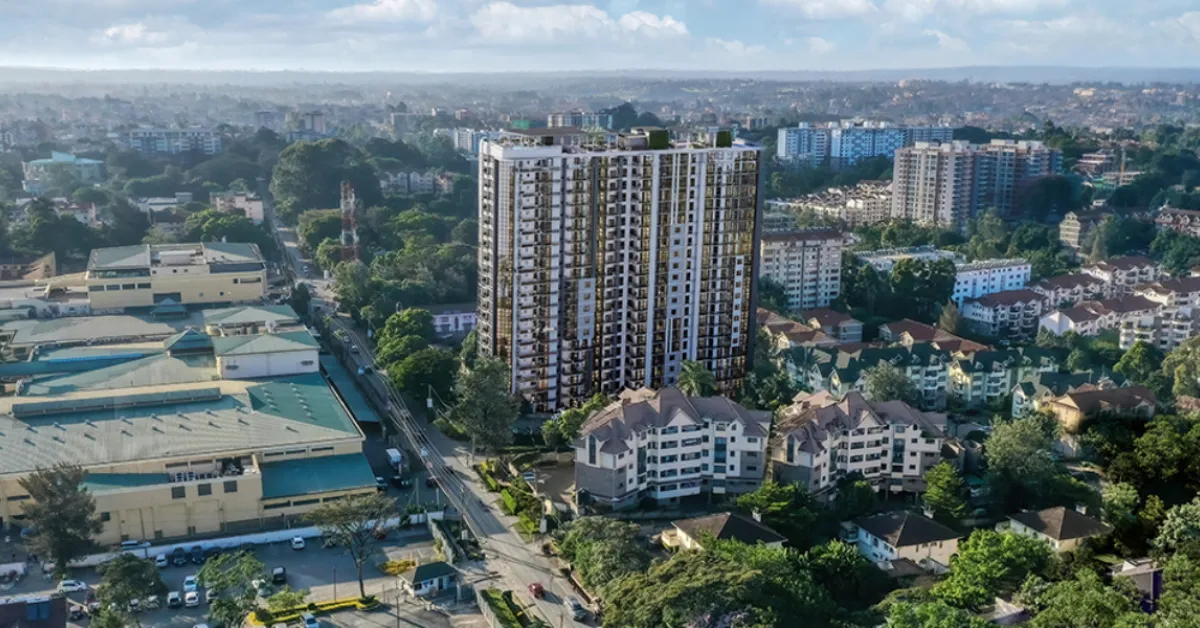
Homeowners in Nairobi suburbs challenge high-rise developments over sunlight and ventilation concerns
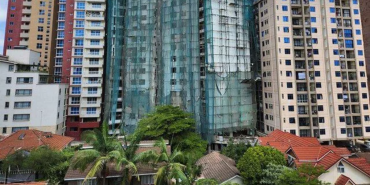
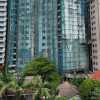
Residents in Nairobi’s Parklands and Lavington have filed legal cases to stop the construction of tall apartment buildings they say block daylight and reduce ventilation in their homes. In Parklands, 13 homeowners on City Park Drive petitioned the Environment and Land Court to halt two 19-storey apartment blocks, arguing that their properties are now largely in shadow.
Many of the affected houses were purchased as retirement homes, and residents claim rooms that were once naturally bright now require artificial lighting throughout the day. They also report that reduced airflow has made solar panels less effective and homes more prone to dampness.
Developers maintain that their projects comply with the law and support Nairobi’s urban densification policy. Courts, however, have not consistently sided with residents. Earlier this year, the Parklands case was dismissed after judges found the submitted photographs and videos insufficient to prove a direct link between the buildings and environmental harm, noting the absence of expert evidence.
A similar dispute is unfolding in Lavington, where the Mbaazi Residents Association seeks to block a three-tower, 16-storey project near Millennium Gardens. The development, planned to deliver more than 500 units on one acre, has raised concerns over shading, increased traffic, overloaded sewer systems, and loss of mature trees.
Following setbacks in lower courts, the matter has reached the Supreme Court, with petitioners arguing that earlier rulings did not fully consider expert predictions of long-term shading and infrastructural strain. These conflicts reflect wider tensions in Nairobi’s formerly low-rise areas, including Kilimani, Kileleshwa, and parts of Westlands, where outdated zoning maps are increasingly at odds with high-rise construction.
Residents have also alleged that some developments began on approvals that were irregular or inconsistent with planning policy. City planning authorities, tasked with issuing permits and monitoring compliance, often find themselves involved in litigation.
While courts have occasionally ruled in favour of homeowners, ordering demolitions or awarding damages where building codes were clearly breached, such decisions remain uncommon. Judges typically address these cases under laws covering nuisance, land use, and the constitutional right to a clean and healthy environment.
Establishing a legally protected right to sunlight usually requires evidence of long-standing enjoyment or explicit statutory violations, which is difficult to prove.
The consequences of blocked sunlight extend beyond inconvenience. Reduced natural light can increase energy costs, encourage dampness and mould, and negatively affect residents’ health.
Homeowners’ associations are framing their objections as both environmental and public health issues. As Nairobi continues to expand vertically, these disputes underline the challenge of balancing urban growth with the preservation of light, ventilation, and liveability in established neighbourhoods.
Clearer zoning rules, height and setback guidelines, and more transparent approval processes may be required to prevent planning conflicts from becoming a persistent feature of the city’s development.











Add new comment