
Cuba's Tourism Crisis Deepens Under U.S. Sanctions, Affecting Global Travel
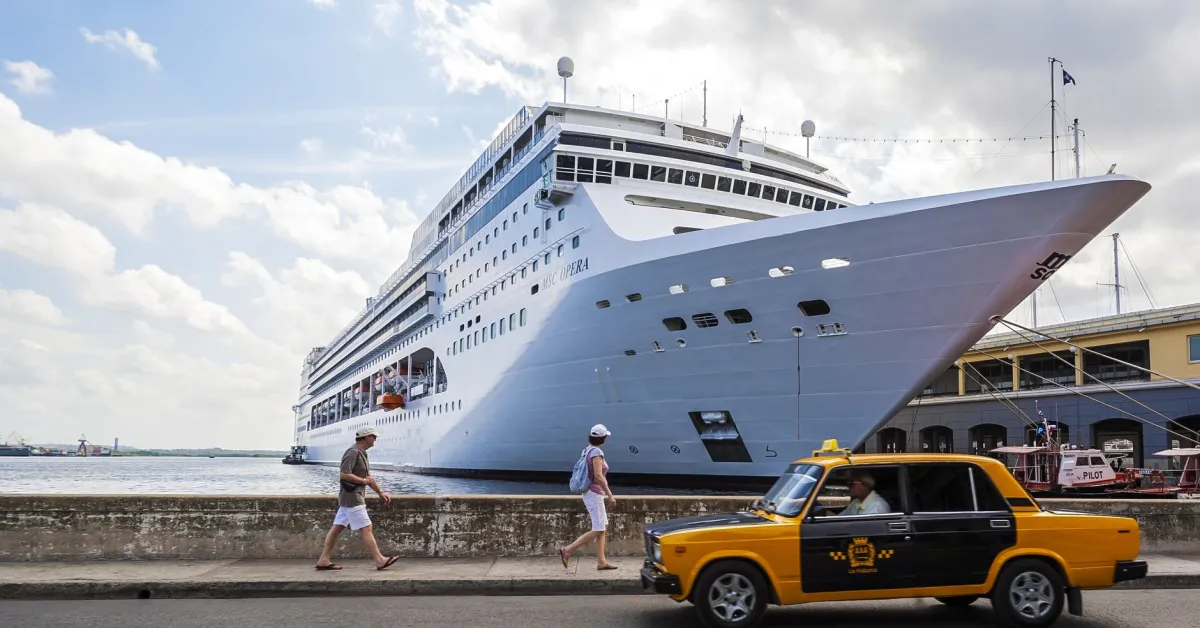
Cuba's tourism industry is facing a severe downturn as a result of intensified U.S. sanctions and the implications of an oil blockade, with foreign visitor numbers plummeting by 58% compared to the previous year. This decline has been confirmed by Cuban officials who are grappling with the economic consequences of what they describe as a "pressure campaign" led by the United States. The restrictions have not only hampered Cuba's ability to attract tourists but have also strained its overall economic resilience.
The U.S. government's continued enforcement of stringent sanctions has exacerbated Cuba's economic challenges, particularly in the tourism sector, which is a vital component of the nation's economy. In recent years, the U.S. has tightened its embargo on Cuba, reintroduced travel restrictions, and limited remittances, further isolating the island's economy. According to Cuba's Minister of Tourism, Juan Carlos García Granda, "The impact on tourism is profound and unprecedented. Our hospitality sector, which once thrived with visitors, is now facing a critical time."
The oil blockade, effectively restricting Cuba's access to fuel, has compounded the tourism industry's woes by disrupting transportation and energy supplies essential for sustaining tourist facilities. This blockade is part of broader U.S. efforts to limit Cuba's economic growth and has led to fuel shortages that have significantly affected domestic and international travel, as well as everyday life on the island.
Official data from Cuba shows that tourism revenue, once a significant contributor to the country's GDP, has seen a sharp decline. In 2025, Cuba welcomed 4.3 million foreign visitors. However, the drop to less than 1.8 million in the first half of 2026 indicates a dire trajectory for the industry. "Our projections for the rest of the year remain uncertain," stated García Granda, highlighting the deepening crisis.
Globally, the downturn in Cuba's tourism sector has ripple effects, particularly for travel agencies, airlines, and hospitality services that facilitate travel to the Caribbean region. Additionally, developing nations with economic ties to Cuba could also feel the impact, as their collaborations often rely on a stable Cuban economy to enable bilateral trade and tourism exchanges.
In response to these challenges, Cuba has been seeking alternative markets and strengthening ties with allies to mitigate the impact of U.S. sanctions. Efforts include increasing cooperation with Russia, China, and other countries willing to bypass U.S. restrictions. However, these measures have yet to yield significant relief as the island remains largely dependent on tourism revenues.
While the U.S. administration under President Donald Trump remains steadfast in its approach toward Cuba, international observers, including the United Nations, have called for a reevaluation of these policies. UN Secretary-General António Guterres has previously remarked, "It is crucial to consider the humanitarian impact of sanctions and seek measures that promote dialogue and development."
As the global community watches the developments in Cuba, the tourism industry's future remains uncertain. Stakeholders are increasingly concerned about the long-term implications of the current situation, not only for Cuba but also for regional stability and international travel dynamics. The coming months will be pivotal in determining whether Cuba can navigate these challenges and stabilize its economy amidst ongoing external pressures.









Add new comment