
Deal Nears to End Hostilities and Reopen Strait of Hormuz, Global Oil Markets Watch Closely
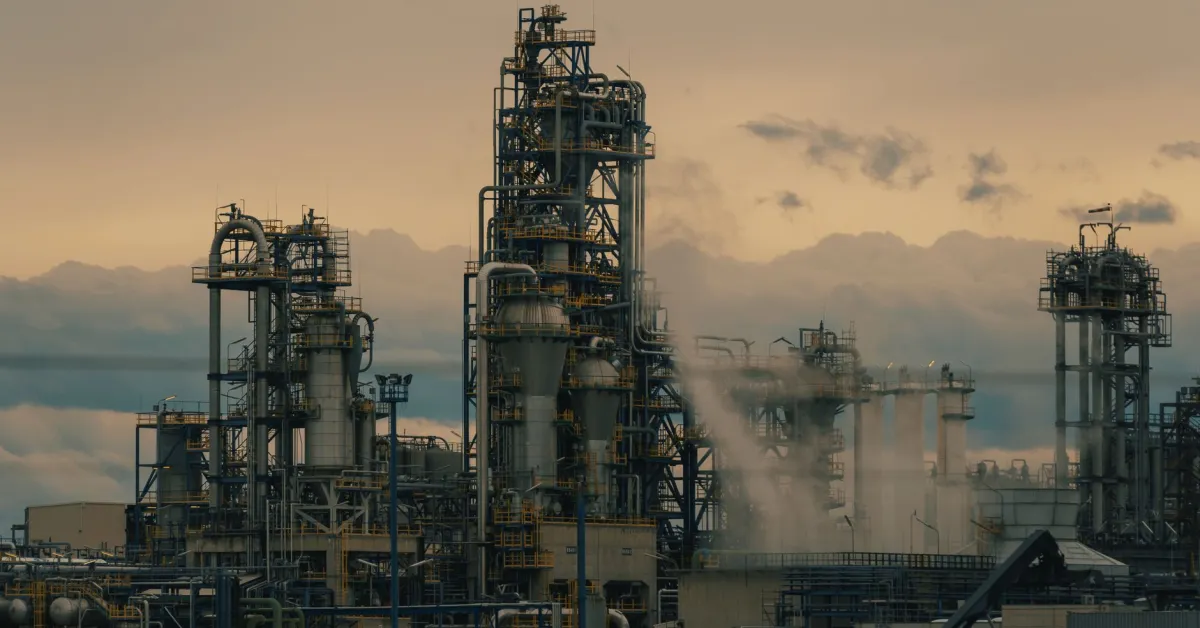
A potential breakthrough deal is on the horizon as negotiations to end hostilities and reopen the strategically vital Strait of Hormuz are nearing completion, according to officials from the United States, Iran, and mediating country Pakistan. The closure of the strait, a critical chokepoint through which approximately 20% of the world's petroleum passes, has had profound implications on global oil markets, with prices remaining volatile amid ongoing regional tensions.
"We are cautiously optimistic that a resolution is within reach," stated U.S. Secretary of State Marco Rubio, who has been actively involved in the diplomatic efforts. "An agreement would not only stabilize the region but also have significant repercussions on global oil supplies and prices, bringing much-needed relief to the energy markets." Iran's Foreign Minister echoed this sentiment, emphasizing the mutual benefits of reopening the passage, which had been a flashpoint of conflict since its closure amid escalating military engagements.
Pakistan, acting as a neutral mediator, has played a crucial role in facilitating dialogue between the U.S. and Iran. Pakistani Foreign Minister, who has been instrumental in bringing the parties to the negotiating table, remarked, "This potential deal represents a major step toward regional peace and global economic stability. The reopening of the Strait of Hormuz is essential for the uninterrupted flow of energy, which impacts economies far beyond the immediate region."
Since the Strait's closure, the global economy has felt the pinch, with developing nations particularly hard-hit by rising energy costs. Analysts warn that prolonged disruptions could exacerbate inflationary pressures in these countries, where energy expenses constitute a significant portion of import costs. As negotiations progress, oil markets have responded with cautious optimism, with prices showing signs of stabilization in anticipation of a possible deal.
The geopolitical implications of this development are profound, as the reopening of the Strait would not only ease tensions between Iran and Western powers but also potentially reintegrate Iran into the global oil market. Such a move could lead to increased oil production and exports from Iran, further influencing global supply dynamics and prices.
Observers are keenly watching the outcome of these talks, as a successful agreement could set a precedent for resolving other geopolitical conflicts through diplomatic means. "This is a pivotal moment," noted a senior energy analyst. "The stakes are high not just for the immediate parties involved but for the global community, which depends on stable energy supplies for economic growth and development."
While the timeline for finalizing the agreement remains uncertain, the involved parties are reportedly working to overcome remaining hurdles. The international community is anticipating official confirmation, which could signal a shift toward stability in a region that has long been marred by conflict and unpredictability.











Add new comment