
Justice at Last? Kenya Begins Compensation for Protest Victims
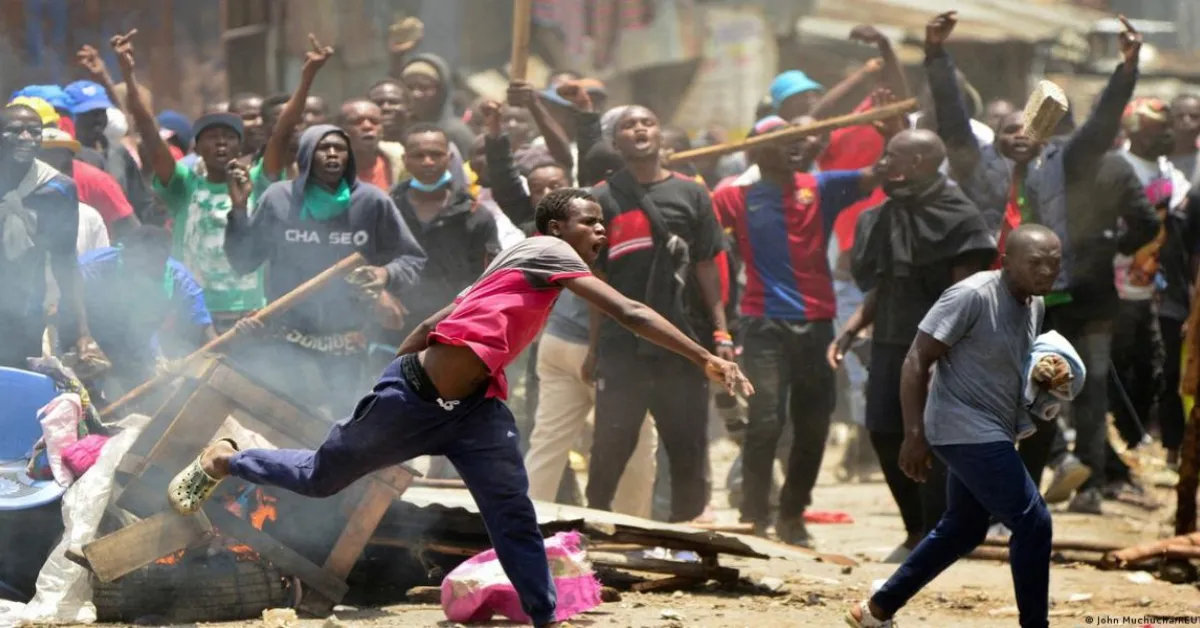
Kenya will begin compensating more than 1,000 verified victims of protest-related human rights abuses within days under a government programme backed by Sh2 billion in the 2025/26 supplementary budget.
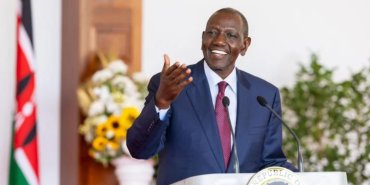
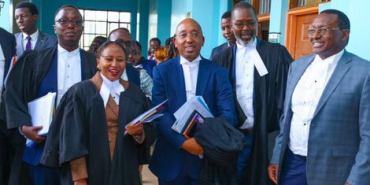
The announcement came during the launch of a national reparations framework at State House in Nairobi. Government officials, judicial leaders, human rights representatives and political figures attended the event, which focused on accountability and reconciliation.
The framework, developed by the Kenya National Commission on Human Rights (KNCHR), sets out procedures for identifying victims, assessing claims and distributing compensation through a structured process. Officials overseeing the programme said the verification exercise is nearly complete, allowing payments to start shortly.
Professor Makau Mutua, Senior Advisor on Constitutional Affairs and chair of the reparations panel, said technology, including an AI-assisted case management system, had been used to review and verify claims submitted from across the country. The programme covers victims affected during several periods of political unrest, including the disputed election cycles of 2017 and 2022, demonstrations linked to the Finance Bills of 2023 and 2024, and protests connected to the 2025 Saba Saba commemorations.
Human rights groups have for years called for compensation and official recognition for victims and their families. Figures presented at the launch highlighted the scale of the programme.
Thousands of claims have been submitted through institutions including the KNCHR, the Independent Policing Oversight Authority and the Ministry of Interior. More than 1,100 people have already been verified as eligible beneficiaries across different categories of violations.
The verified cases include deaths, physical injuries, arbitrary arrests, sexual violence and property damage. Additional claims involving economic losses and business disruption are still being assessed.
KNCHR Chairperson Claris Ogangah said the framework forms part of a wider effort to support healing and strengthen trust in public institutions. She said the programme is intended for victims of serious human rights violations and does not automatically cover every incident reported during periods of unrest.
Cases classified as ordinary criminal offences remain within the criminal justice system. The framework also recognises that some members of the security services were harmed during demonstrations.
Officers from the National Police Service, Kenya Prisons Service and National Youth Service may qualify for compensation where evidence shows they suffered harm during protest-related incidents. The launch coincided with renewed debate over the laws and procedures governing public demonstrations.
During the event, ODM leader Oburu Oginga called for reforms to clarify the relationship between protesters and law enforcement agencies. He said citizens should be required only to notify authorities of planned demonstrations rather than seek what is often viewed as official permission to exercise a constitutional right.
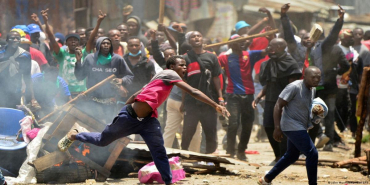
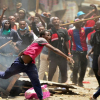
Oburu said police should focus on facilitating peaceful assemblies by providing security and maintaining public safety. He argued that confrontations between demonstrators and security officers have too often resulted in injuries, deaths and allegations of excessive force.
The debate has gained momentum following a recent High Court ruling in Kisumu concerning police conduct during the 2023 Azimio demonstrations. The court directed the Inspector General of Police, the Attorney General and other state institutions to develop comprehensive regulations on public order management and the use of force during demonstrations.
It also awarded compensation to victims and families affected by unlawful police actions. At the centre of the discussion is Article 37 of the Constitution, which guarantees the right to assemble, demonstrate, picket and petition public authorities.
The provision protects peaceful protest while requiring participants to remain unarmed. Oburu said compliance with this requirement is essential because the presence of weapons or violent individuals can undermine lawful demonstrations and increase the risk of confrontation.
He also raised concerns about the use of organised groups to disrupt political events and public gatherings. According to Oburu, some political actors have relied on hired gangs to intimidate opponents or interfere with lawful civic activities. He urged political leaders to reject such practices and encourage peaceful and issue-based participation in public affairs.
The reparations framework comes as questions of accountability, police conduct and civic freedoms remain central to public debate in Kenya. Beyond providing financial compensation, the programme is expected to test the state's ability to address past abuses through transparent and credible processes.







Add new comment