
SpaceX's Starship V3 Rocket Launch Sets New Milestones in Aeronautics
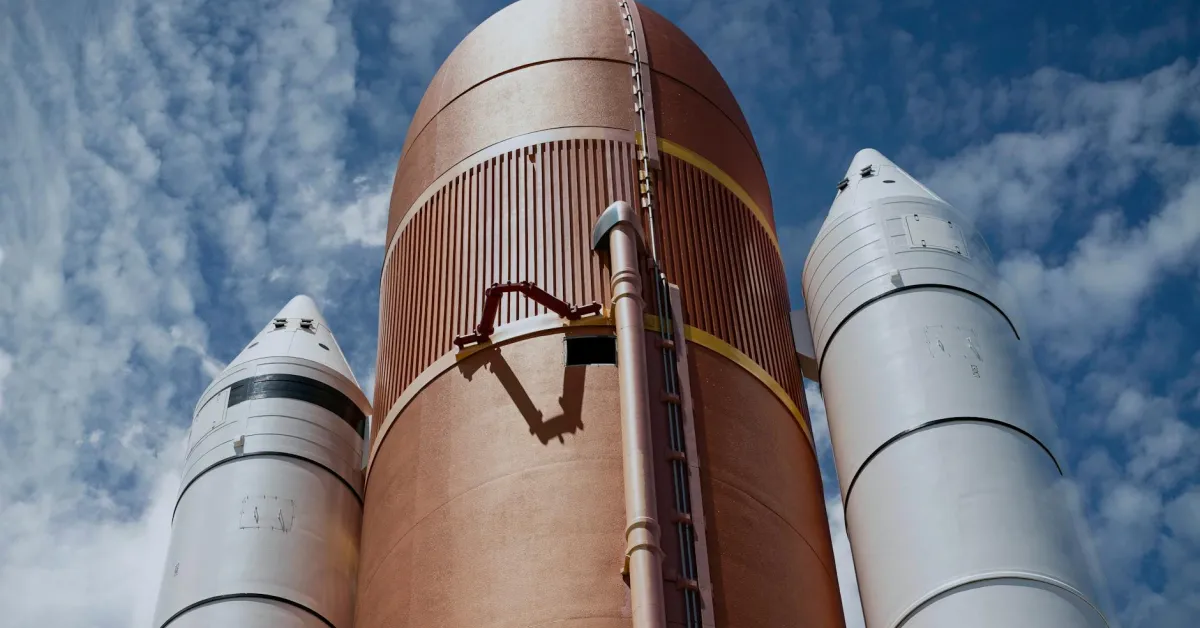
SpaceX, the private aerospace manufacturer founded by Elon Musk, has achieved a significant milestone with the successful test flight of its Starship V3 rocket, the largest and most powerful rocket in history. The launch took place on May 27, 2026, from the company's Boca Chica launch site in Texas after an initial postponement. The rocket, which stands at a towering 120 meters and is capable of generating 16 million pounds of thrust, represents a critical step in Musk's vision of colonizing Mars and revolutionizing space travel.
NASA Administrator Bill Nelson lauded the successful test, stating, "The advancements made by SpaceX with the Starship V3 not only push the boundaries of what is possible in space travel but also pave the way for future explorations beyond Earth's orbit." The rocket's design includes innovations aimed at making it fully reusable, a feature that could drastically reduce the cost of space travel and have wide-reaching implications for international space programs.
The significance of this launch extends beyond U.S. borders. As countries invest in their own aerospace capabilities, the development of reusable rocket technology is set to become a key factor in the global race to access space. European Space Agency Director-General Josef Aschbacher highlighted the importance of international collaboration, remarking, "Space exploration is a collective endeavor, and technologies like the Starship V3 will be instrumental in building partnerships that advance our shared goals."
The successful Starship V3 launch comes amid an era of growing interest in space not only for exploration but also for commercial opportunities. The satellite market, valued at approximately $380 billion globally, could see substantial price reductions as reusable rockets like the Starship lower launch costs. Analysts from Morgan Stanley have projected that the global space industry could expand to over $1 trillion by 2040, driven by innovations in rocket technology and increased participation from developing nations.
For developing countries, the reduced cost of launching satellites could enhance telecommunications, weather forecasting, and environmental monitoring, offering significant socio-economic benefits. As nations in Africa seek to establish or expand their space programs, the economic feasibility of satellite deployment could accelerate educational and developmental projects.
SpaceX has announced plans for further tests and missions, including the first orbital flight of the Starship V3, which will be closely watched by space agencies and governments worldwide. Elon Musk, in a statement following the successful test, expressed optimism about the future: "With each successful launch, we continue to move closer to making life multi-planetary, ensuring the survival of humanity and the advancement of our civilization." The aerospace community will be keenly observing SpaceX's next steps as the Starship V3 sets a new benchmark for space exploration endeavors.












Add new comment