
Coffee Prices Surge Globally as Poor Harvests in Brazil and Vietnam Hit Markets
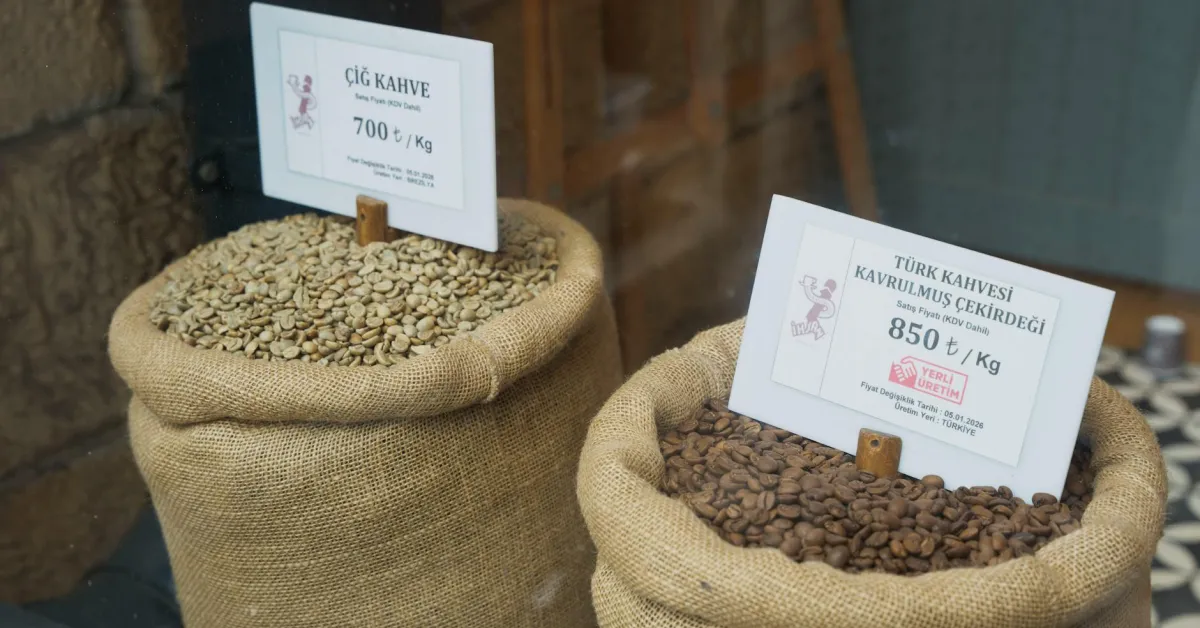
Global coffee prices have surged dramatically, driven by poor harvests in Brazil and Vietnam, two of the world's largest coffee producers. Experts warn that the price hike is likely to persist, making the once-affordable morning cup a luxury for many. According to the International Coffee Organization (ICO), global coffee prices have increased by nearly 30% over the past year due to adverse weather conditions affecting key growing regions.
Brazil, the world's largest coffee producer, has faced significant challenges. The Brazilian Institute of Geography and Statistics reported that the country's coffee production declined by 14% in 2025 compared to the previous year, as severe droughts and unexpected frosts damaged the crops. Vietnam, the second-largest coffee producer, also experienced a 10% reduction in its coffee output, as reported by Vietnam's Ministry of Agriculture and Rural Development. "The impact on global supply chains is profound," stated Vanusia Nogueira, Executive Director of the ICO.
Jens Spahn, German Federal Minister of Food and Agriculture, emphasized the severity of the situation, stating, "This is not just a temporary blip. The effects of climate change are becoming increasingly evident, and they pose a significant threat to agricultural stability worldwide." The recent IPCC report highlighted that climate variability is likely to increase, potentially exacerbating agricultural challenges.
Compounding the situation is the increased demand for coffee as economies recover post-pandemic. The United States Department of Agriculture (USDA) noted that global coffee consumption rose by 3%, driven by a resurgence in consumer spending and the reopening of cafes and restaurants. This heightened demand, combined with reduced supply, has resulted in the current price spikes.
As prices rise, there are concerns about the impact on developing nations, where coffee is a staple beverage and an essential part of daily life. Many African countries, while not the largest producers, are significant consumers of coffee. The rising costs could potentially strain household budgets across the continent.
Jeff Bezos, founder of Blue Origin and known for his investments in diverse sectors, including agriculture, remarked on the broader implications of such developments. "We are witnessing a paradigm shift in global agriculture, driven by unpredictable environmental factors. It's crucial for companies and governments to adapt swiftly," Bezos said during a recent interview.
In response, some coffee companies are exploring sustainable farming practices and diversifying supply chains to mitigate future risks. Starbucks and Nestlé have both announced investments in climate-resilient coffee farming initiatives, aiming to safeguard production against future environmental shocks.
The ripple effects of these supply challenges are being felt across the globe, with consumers paying as much as £5 for a latte in some markets. As the coffee industry grapples with these unprecedented challenges, stakeholders are closely monitoring weather patterns and global production forecasts, bracing for further volatility in the months ahead.











Add new comment