
Opposition Demands Answers Over Alleged Issuance of Kenyan Passports to Sanctioned Foreign Nationals
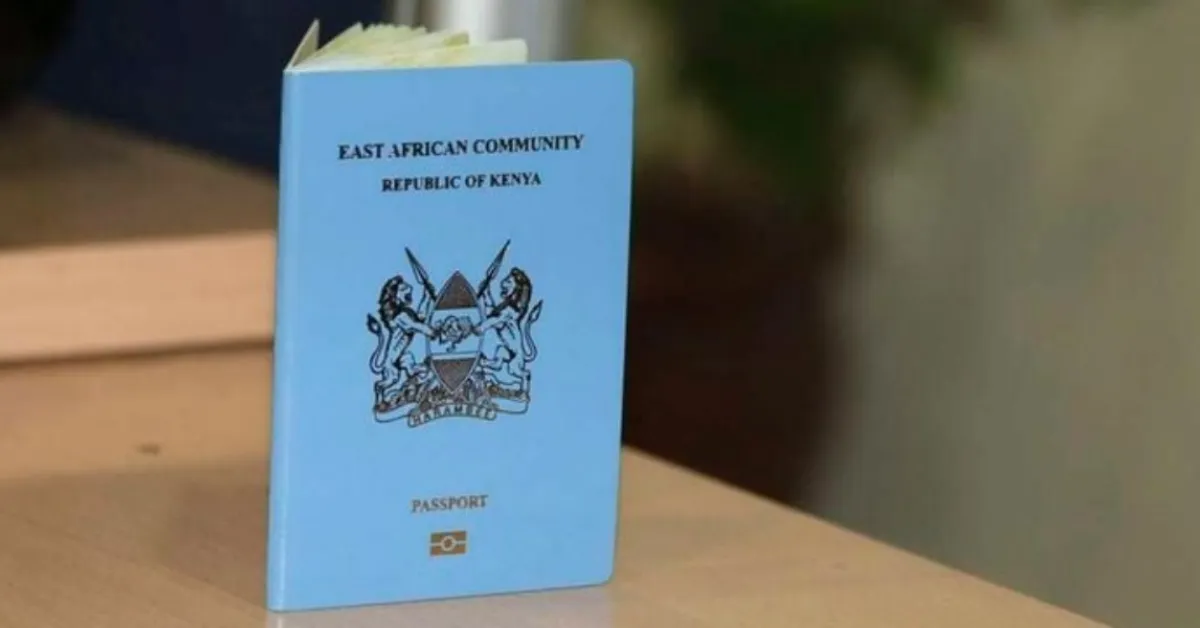
Kenya’s immigration services are facing a wave of scrutiny following claims that passports have been issued to foreign nationals with controversial backgrounds, including individuals allegedly linked to militant groups operating in the region.
The allegations have ignited a political firestorm, with calls for transparency, accountability, and urgent reforms to safeguard national security and protect Kenya’s international standing. The controversy gained momentum on Friday when Kalonzo Musyoka, leader of the Wiper Party, led a charge of opposition figures accusing the government of jeopardising Kenya’s safety by granting travel documents to individuals associated with violence and conflict abroad.
Speaking from Nakuru, Musyoka warned that Kenya was at risk of becoming a haven for militia leaders, a development he argued could tarnish the country’s diplomatic image and make Kenyan citizens subject to increased scrutiny when travelling abroad.
"We cannot allow Kenya to be turned into a safe haven for individuals whose activities threaten peace and stability in the region," he said.
The allegations took on greater significance after former Chief Justice David Maraga, a current presidential contender, publicly demanded that the government revoke the passport allegedly issued to Algoney Hamdan Dagalo Musa, a figure closely associated with Sudan’s Rapid Support Forces (RSF). Musa, the brother of RSF commander Mohamed Hamdan Dagalo, is a Dubai-based businessman with logistics ties to the controversial militia.
He is also subject to sanctions imposed by both the United States and the European Union. Maraga described the situation as “disturbing,” suggesting that Kenya's neutrality on the ongoing Sudanese conflict could be undermined by the alleged actions of the government.
The news of Musa's supposed possession of a Kenyan passport has raised serious concerns about how such individuals could acquire travel documents despite stringent regulations designed to prevent such occurrences. Adding further weight to the allegations, former Interior Minister Dr Fred Matiang’i criticised the issuance of such sensitive national documents, emphasising that passports are a symbol of national security.
He called for immediate action to identify and close any loopholes in the vetting processes that may have allowed sanctioned individuals to circumvent Kenya's safeguards. "The integrity of our passport is a matter of national pride and security. If there are loopholes, they must be sealed immediately," Matiang’i declared.
Kenyan law dictates a rigorous process for foreigners seeking to obtain citizenship and, by extension, a passport. Applicants must generally reside in the country for at least seven years, demonstrate proficiency in one of the national languages, and prove their social or economic contributions. They must also submit biometric data and other supporting documentation via the eCitizen portal.
These allegations, therefore, point to a potentially serious breakdown in these procedures, especially given that the individuals in question are reportedly linked to activities that pose a direct threat to regional stability. Legal action has already been initiated in an attempt to uncover the truth.
Lawyer Wahinya Peter has invoked constitutional provisions concerning access to information, formally requesting records related to 28 foreigners who are alleged to have recently acquired Kenyan passports. His demand includes copies of the applications, vetting reports, and correspondence regarding any expedited approvals, particularly those that may have been processed with the involvement of high-ranking government officials.
The Immigration Department, led by Director General Evelyn Cheluget, has yet to publicly respond to the mounting pressure for clarity on the issue. The prolonged silence has only intensified speculation and prompted further demands for transparency.
For critics, the matter is not simply one of administrative negligence but a serious breach of constitutional principles and Kenya’s obligations under international law. Former Chief Justice Maraga has even warned that, if the allegations are confirmed, they could lead to a “profound constitutional crisis” with severe implications for Kenya’s international credibility and its relations with other nations.







Add new comment