
Kenyans Warned of Rising Organ Trafficking Risk Linked to Labour Migration
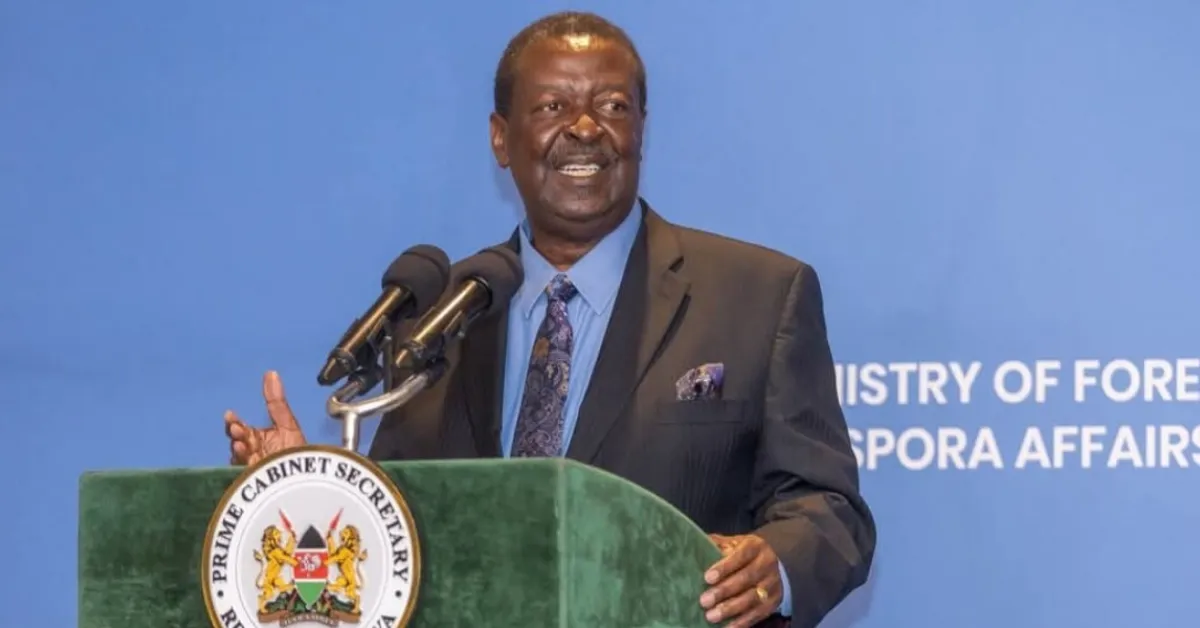
Kenya's government has issued a stark warning about the increasing threat of organ trafficking linked to labour migration.
Prime Cabinet Secretary and Foreign Affairs Minister Musalia Mudavadi raised the alarm following the repatriation of 27 Kenyans who had been stranded in Russia after being lured by fraudulent job offers. These individuals endured harsh working conditions before being rescued.
Mudavadi pointed out that while much attention has focused on the involvement of Kenyans in the Russia–Ukraine conflict, the risks go far beyond wartime recruitment. He noted the rising cases of organised criminal groups exploiting vulnerable migrants, with some subjected to forced labour, drug trafficking, and in extreme cases, organ harvesting.
Kenya has also seen instances of organ trafficking. Investigations have revealed cases where vulnerable individuals were coerced into donating kidneys or other organs, often under the false pretence of medical procedures. Some hospitals and unregulated clinics have come under scrutiny for facilitating these illegal activities, highlighting the role of traffickers in preying on economic hardship and misinformation.
Globally, kidneys are the most trafficked organ, as donors can live with just one. However, other organs such as liver segments, corneas, and, in rare cases, bone marrow or skin tissue, have also been targeted. In some instances, organs have been harvested from deceased individuals without family consent, illustrating the extent of the abuse in poorly regulated medical settings.
The Ministry of Foreign and Diaspora Affairs reported that many of the rescued Kenyans had been recruited through informal labour channels, outside official employment frameworks. Some were forced to undertake dangerous tasks without proper training or protective gear, while others suffered serious injuries.
Mudavadi highlighted that migrants in conflict zones or unstable economies are particularly vulnerable to traffickers, especially those without legal documentation or family support. These individuals are often reluctant to approach authorities due to fear, leaving them open to exploitation.
While no legal case has yet confirmed organ harvesting among Kenyans abroad, families have raised concerns over suspicious autopsies of relatives who died overseas. These reports, alongside domestic cases, support the government's warning and underline the need for heightened vigilance.













Add new comment