
Five Arrested as KWS Seizes Elephant Ivory in Turkana and Namanga
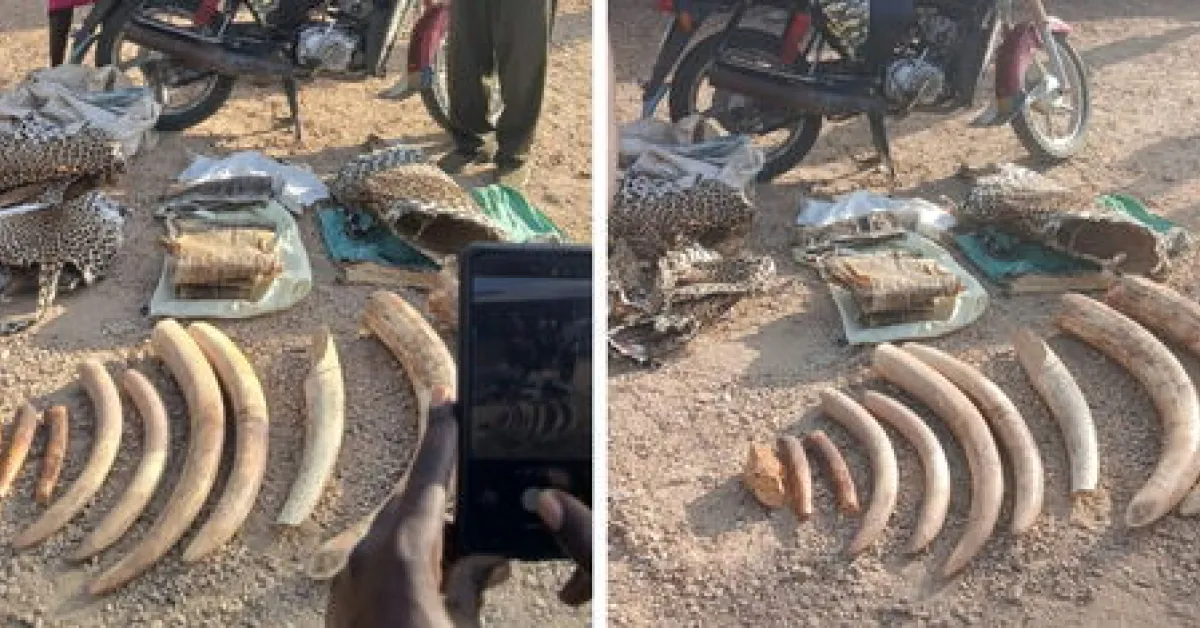
Kenyan authorities have arrested five suspected wildlife traffickers in separate operations in Turkana County and Namanga, seizing large quantities of elephant ivory and other protected animal trophies.
The Kenya Wildlife Service (KWS) said three suspects were arrested in Lokichar, Turkana County, following an intelligence-led operation that recovered 42 kilogrammes of elephant ivory, leopard skins and python hides. Officers also seized a motorcycle believed to have been used to transport the trophies. The arrests were made on Wednesday after several weeks of surveillance targeting trafficking activity in the area. The suspects remain in custody and are expected to be charged in court.
KWS said the operation formed part of wider efforts to dismantle organised criminal networks involved in wildlife trafficking. The agency warned that poaching causes long-term damage to ecosystems and threatens livelihoods linked to tourism and conservation.
The Turkana arrests followed a separate operation in Namanga, where two suspects were intercepted while allegedly attempting to sell elephant tusks valued at about Sh11 million. Investigators said the suspects were arrested during a covert operation at a hotel, where a transaction with a prospective buyer was reportedly under way. A third suspect fled the scene and remains at large.
Subsequent searches of vehicles linked to the suspects uncovered 20 pieces of ivory weighing 110 kilogrammes hidden inside a Toyota Mark X. A weighing machine was also found in a Nissan Fairland, which authorities said indicated a planned and organised sale. Two of the suspects are Tanzanian nationals, while the third is Kenyan. All were taken into custody, and the vehicles were impounded.
Although ivory prices within Africa have declined in recent years to about Ksh11,000 per kilogram, authorities say demand remains high in parts of Asia, where raw ivory can sell for between Ksh76,000 and Ksh88,000 per kilogram. Leopard skins continue to be sought for traditional use in some regions of Africa, while python skins are traded for luxury fashion products.
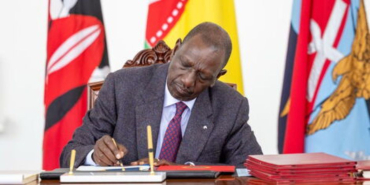
The government has strengthened penalties for wildlife crimes. In 2025, President William Ruto signed legislation introducing fines of up to Ksh100 million or prison sentences of up to 20 years. He also presided over the destruction of more than 6,000 illegal firearms linked to poaching and other criminal activity.
KWS has urged members of the public to report suspected wildlife crime, saying community cooperation remains critical to disrupting trafficking networks.











Add new comment