
Trump Expands Travel Ban to 39 Countries, Including Over 20 in Africa
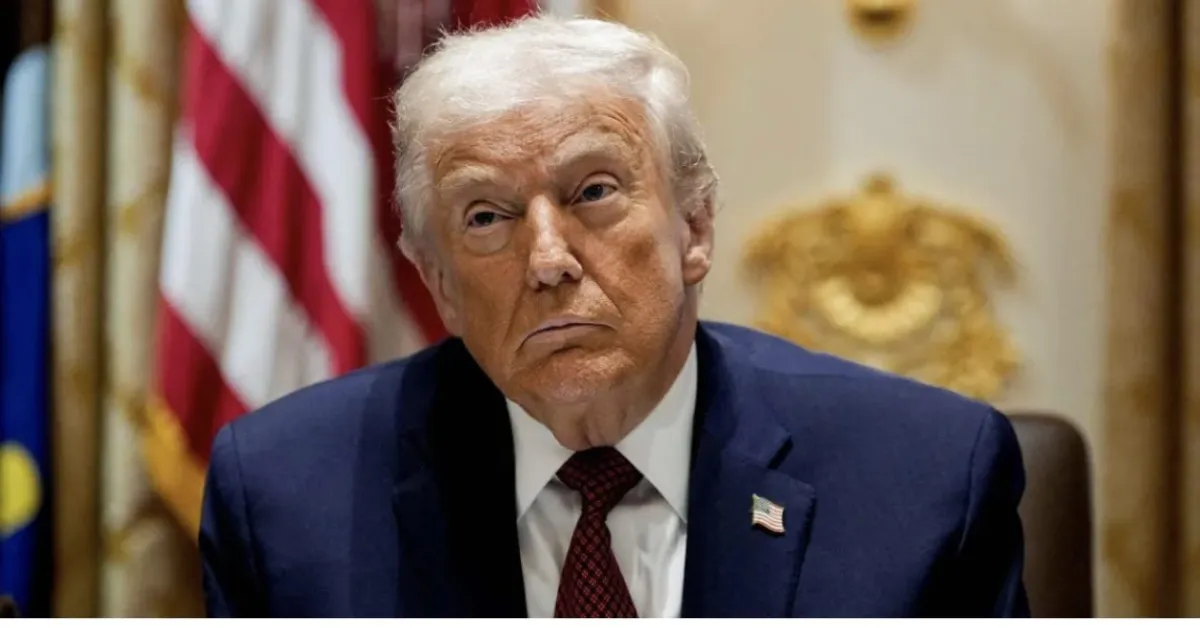
On December 16, 2025, President Donald Trump dramatically expanded the United States travel ban, signing a proclamation that widened restrictions on foreign nationals from 19 countries to a total of 39, marking one of the largest overhauls of US entry policy in recent years. The White House said the expansion was necessary to address what it described as “severe deficiencies in screening, vetting and information-sharing” by governments whose citizens seek entry to the United States, and to better enforce immigration laws and protect national security, but critics argue the policy unfairly targets whole populations based on nationality rather than individual threat assessments.
The updated restrictions fully bar citizens of several additional nations from obtaining US visas or entering the country, and expand partial limits on travel from others. New full bans were placed on citizens of Burkina Faso, Mali, Niger, South Sudan and Syria, and the policy also applies complete entry restrictions to individuals traveling on travel documents issued by the Palestinian Authority, a move that drew sharp international criticism. Countries that previously faced only partial restrictions, such as Laos and Sierra Leone, were moved to the full ban category under the proclamation. The changes come amid a broader immigration crackdown by the Trump administration that also includes pauses on asylum processing and heightened scrutiny of visa approvals.
In addition to the newly fully banned countries, the United States imposed partial restrictions on citizens of 15 additional nations, including Angola, Antigua and Barbuda, Benin, Côte d’Ivoire, Dominica, Gabon, The Gambia, Malawi, Mauritania, Nigeria, Senegal, Tanzania, Tonga, Zambia and Zimbabwe. The administration justified these measures by pointing to issues such as widespread corruption, fraudulent or unreliable civil documents, high rates of visa overstays and governments’ refusal to cooperate with US deportation efforts. Officials said these conditions made it difficult for US authorities to assess the risks posed by applicants and to enforce immigration and security protocols.
The expanded travel ban builds on earlier restrictions signed earlier in 2025 that had targetted a smaller group of countries, many of them in Africa and the Middle East, where the government argued screening and vetting systems were inadequate. The list now includes Afghanistan, Burma (Myanmar), Chad, the Republic of the Congo, Equatorial Guinea, Eritrea, Haiti, Iran, Libya, Somalia, Sudan and Yemen among those already under full or partial limits, and adds a host of newer entries.
The White House said the proclamation makes exceptions for certain categories of travelers, including lawful permanent residents, those holding valid existing visas, diplomats, and individuals whose entry is deemed in the US national interest, such as athletes and participants in major events. Nonetheless, the changes are poised to affect visa applicants and future travelers beginning January 1, 2026, with broad implications for families, students, business travelers and immigrants from the affected countries.
Human rights organizations and legal advocates have condemned the policy as discriminatory, arguing that it disproportionately impacts people from majority non-White and low- to middle-income countries and amounts to collective punishment rather than targeted risk mitigation. Some critics also pointed to the inclusion of Palestinian travel documents and the lack of clear pathways for countries to rectify perceived vetting deficiencies as particularly contentious aspects of the policy. Supporters of the ban, by contrast, say it enhances US security by ensuring that entry is limited to individuals from countries that meet rigorous screening standards and cooperate with US law enforcement and diplomatic requirements.
As the United States prepares to implement these expanded entry restrictions in the coming weeks, governments around the world, travel and immigration lawyers, and affected communities are weighing the broader fallout from the policy, which comes as global mobility and diplomatic relations face increasing strain.







Add new comment