
What Every Kenyan Should Know Before Moving to the US in 2025 (Real Experiences)
As thousands of Kenyans continue exploring opportunities abroad, the United States remains one of the most sought-after destinations. From education and healthcare to tech and logistics, the American economy offers strong career paths—but the move is not always smooth. In 2025, the journey is shaped by higher living costs, stricter immigration rules, and the growing Kenyan diaspora communities that provide support along the way.
Here’s what every Kenyan should know before making the leap, based on real-life experiences from Kenyan immigrants living across the U.S.
🇺🇸 1. The U.S. Is Not One Country - It’s 50 Different Experiences
Many newcomers imagine “America” as one uniform place. In reality, each state has its own economy, culture, and cost of living.
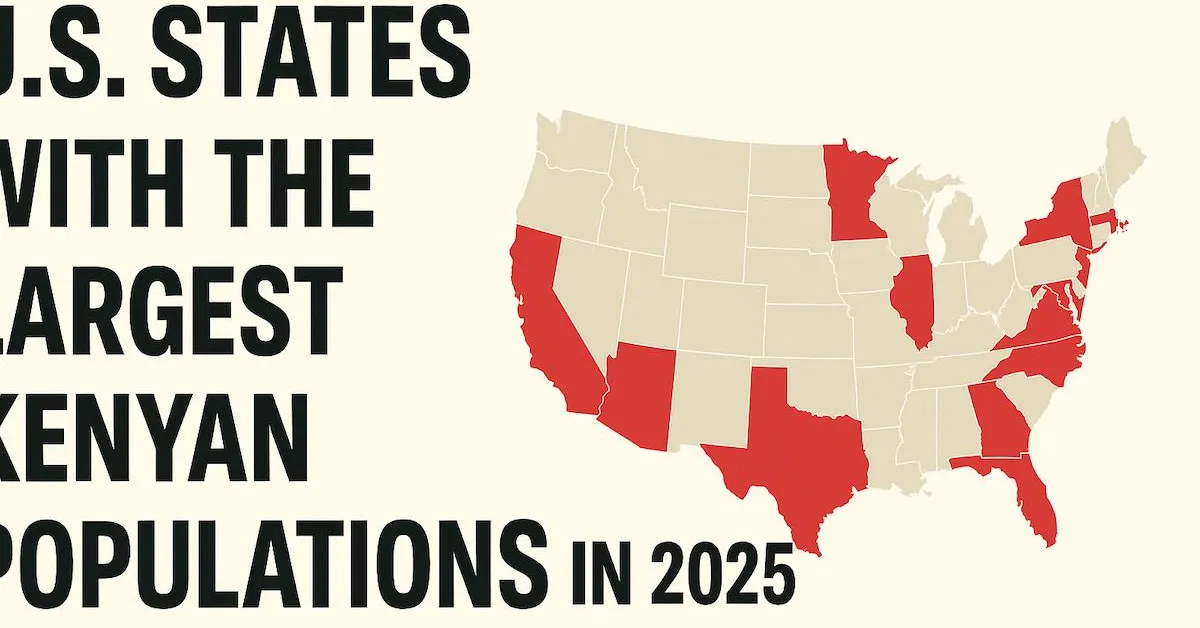
Most popular states for Kenyans in 2025:
- Texas – Affordable housing, strong tech and healthcare jobs
- Minnesota – Large Kenyan community, good public schools
- Ohio – Many students and entry-level job opportunities
- Washington – High tech salaries but expensive housing
- Georgia – Growing Kenyan business community
A Kenyan in Dallas pays very different rent compared to one in Seattle. For example:
- Dallas, TX: 1-bedroom apartment – $1,250–$1,500/month
- Seattle, WA: 1-bedroom – $2,000–$2,500/month
Choose your state based on affordability, job market, and community support, not popularity.
💵 2. Cost of Living Is Much Higher Than Most Expect
Almost every Kenyan newcomer says: “I was not prepared for how expensive life in America is.”
The biggest shocks:
- Healthcare is not free
- Taxes, including income taxes, are high in most states
- Childcare ix expensive
- Credit score determines everything—from renting apartments to phone plans to buying cars
Plan for at least:
- Three months of living expenses
- Emergency medical funds
- A car or transit card, depending on the city
🛂 3. Visa Type Determines Your Entire Life
The U.S. immigration system is strict and complicated.
Most common visas for Kenyans:
- F-1 (Student Visa) – Most popular
- H-1B (Work Visa) – Very competitive, lottery-based
- DV Lottery (Green Card) – Random selection
- K-1 (Fiancé(e) Visa) – For those marrying U.S. citizens
- B-1/B-2 (Visitor Visa) – Not for working
Real-life problem:
Many Kenyans who arrive on tourist visas and attempt to work fall out of status and struggle for years.
Before traveling, be absolutely clear on:
- What your visa allows
- Work restrictions
- Duration of stay
- Whether you can change status
🏥 4. Healthcare Is Extremely Expensive
One ER visit, even for a minor issue, can cost:
$1,500–$5,000 without insurance
Many Kenyans in the U.S. say: “Medical bills shocked me more than rent.”
Always ensure you:
Get health insurance through an employer, school, or marketplace
Understand what your plan covers
Avoid unnecessary ER visits—use urgent care when possible
🚗 5. In Most States, You Will Need a Car
Only a few cities have reliable public transportation:
New York
Boston
Chicago
Seattle
Washington, D.C.
In most other states especially outside of major cities, life without a car is extremely difficult.
Costs to expect:
$4,000–$12,000 for a used car
$150–$400 per month for insurance depending on several factors such as your age, gender, driving experience, and zip code.
Fuel averaging $3–$5 per gallon
💼 6. Jobs Are Plenty—But Not Always What You Expected at First
Many Kenyan immigrants say their first job in the U.S. was not their dream job.
Common entry-level jobs:
- CNA / caregiver
- Warehouse associate
- Delivery driver
- Security officer
- Restaurant work
However, once you build experience, certifications, a US resume, and a stable immigration status, you can move into higher-paying careers such as tech, nursing, aviation, logistics, finance, or entrepreneurship.
🎓 7. U.S. Education Offers Strong Opportunities
Kenyan students in 2025 are choosing:
- Medicine
- Engineering
- IT and cybersecurity
- Business
- Nursing
Advantages:
- Access to research
- Internships
- Optional Practical Training (OPT)
- Higher global job competitiveness
But beware:
- Tuition is high
- You may not work off-campus during the first year
Maintaining F-1 status is critical
🤝 8. The Diaspora Community Is Your Best Resource
Most new arrivals agree that Kenyan communities helped them survive their first months.
Strong communities exist in:
- Texas (Dallas, Houston)
- Minnesota (Minneapolis)
- Maryland (Baltimore)
- Washington (Seattle)
- Georgia (Atlanta)
- Massachusetts (Boston)
Facebook groups like Kenyans in the U.S. and Dallas Kenyans are extremely active.
⭐ 9. The First Year Will Be Hard—but Life Gets Easier
Most Kenyan immigrants describe the first year as:
“Lonely, expensive, and full of culture shock.”
But after settling:
- Income stabilizes
- You build credit
- You form friendships
- You learn the system
- Opportunities expand
Success requires:
- Patience
- Hard work
- Networking
- Planning
🏁 Final Word
Moving to the U.S. in 2025 can open life-changing opportunities for Kenyans—but only if you prepare yourself for the realities on the ground.
Understanding:
- Cost of living, including childcare
- Visa rules
- Housing
- Transportation
- Healthcare
- Job market
…can be the difference between a smooth transition and years of challenges.
When well-prepared, many Kenyans thrive—professionally, academically, and personally - in America.















Add new comment