
Why You’re Paying More for Avocados
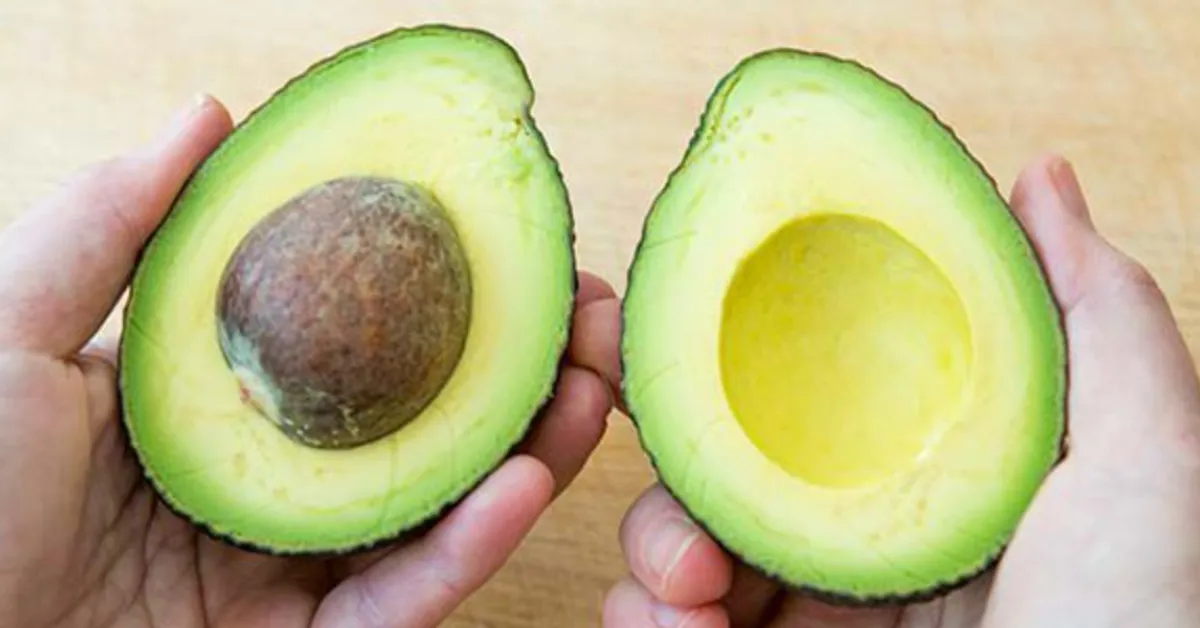
Avocado prices in Kisumu have risen to record levels, with consumers now paying between Sh50 and Sh80 per fruit amid a sharp drop in supply and declining quality.
Consumers across Kisumu County are struggling with the sudden surge, which has made a once-affordable household staple significantly more expensive. At Kibuye Market, one of the county’s busiest trading centres, regular buyers say they have cut back on purchases as traders raise prices in response to limited stock.
Traders report that deliveries have fallen and that many of the available fruits are immature or spoil before ripening. Anne Kemunto, a vendor at Kibuye, says only a few sacks reach the market, and much of the fruit is of poor quality.
Similar concerns are raised at Jubilee Municipal Market, where Racheal Moraa notes that most of the avocados arriving are small, take longer to ripen, and offer little value for money. As a result, even local varieties, normally cheaper than imported Hass or Fuerte, are now selling at unusually high prices.
Farmers attribute the shortage to the off-season harvest period. Boniface Nyagaka, a Kisii farmer with nearly 100 trees, confirms that most fruits remain immature and will not be ready until February. This gap in production has pushed traders to rely on middlemen who source limited quantities from western Kenya at elevated prices.
The Agriculture and Food Authority (AFA) says the shortage reflects wider national and global trends and has introduced export controls to protect the market. From 20 October 2025, the regulator will close the sea export window to prevent the shipment of immature fruit, allowing only air freight exports of Hass, Fuerte, Pinkerton and Jumbo varieties.
The measure aims to maintain Kenya’s reputation abroad, where premature harvesting has previously harmed buyer confidence. Local co-operative leaders say the restrictions will help reduce premature harvesting and protect future yields. Noah Okoth, Vice Chairman of the Muhoroni Avocado Farmers’ Co-operative Society, says the ban is intended to curb the export of immature fruits and stabilise production cycles.
Avocado remains one of Kenya’s most valuable horticultural exports, accounting for nearly half of the country’s fruit earnings. Kenya is Africa’s leading exporter and ranks among the top global producers, with Murang’a County alone contributing almost a third of national output.
Export earnings rose by 11 percent in 2024 to reach $159 million, though only 10 percent of total production is sold abroad. Domestic consumption remains high at 47 percent of national output.

















Add new comment