
The Role of Teachers in the Age of AI: Global Education Faces a Technological Turning Point
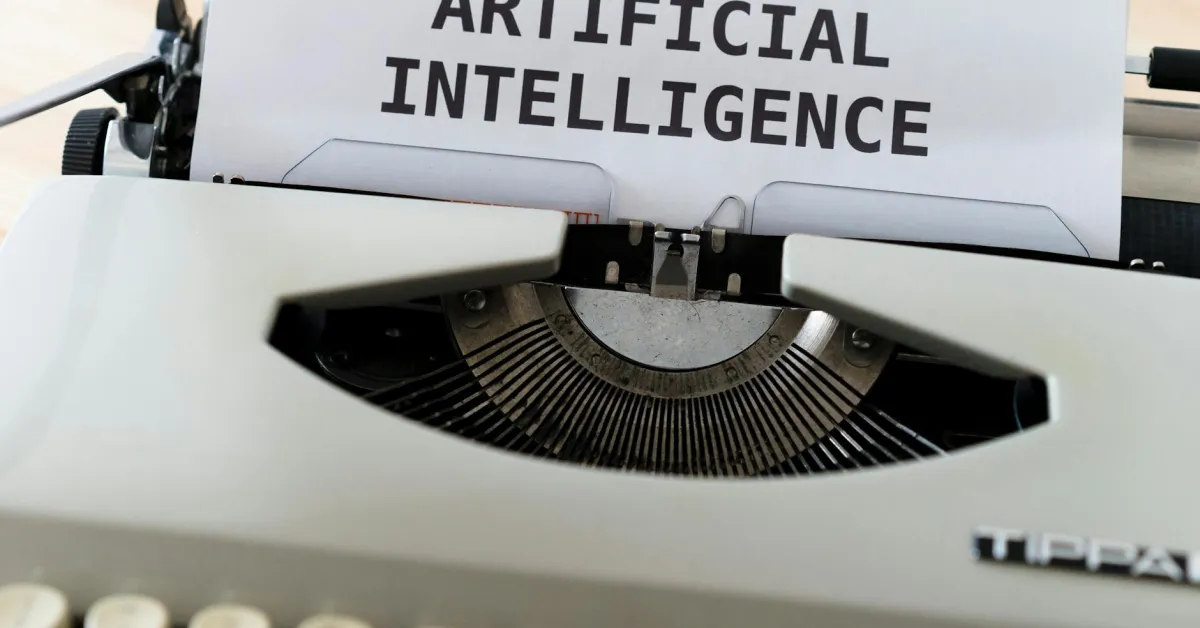
The rapid integration of Artificial Intelligence (AI) into school classrooms worldwide has sparked a significant debate about the future role of educators. As AI technologies, including sophisticated teaching assistants and automated grading systems, become more prevalent, educators and policy-makers grapple with the implications for teaching methodologies and student engagement.
Education systems in developed countries are at the forefront of adopting AI-driven tools. The UK, for instance, has seen a considerable rise in AI applications in education, which promises to tailor learning experiences to individual student needs. "AI has the potential to transform education by providing personalized learning at scale," stated Sir Anthony Seldon, a prominent British educationalist. He emphasizes that while AI can enhance the learning process, it cannot replace the human elements of teaching, such as empathy and mentorship.
The integration of AI in education is not without its challenges. Concerns about data privacy, the digital divide, and the potential for AI to inadvertently reinforce biases are at the forefront of discussions. In the United States, Education Secretary Miguel Cardona has called for comprehensive policies to address these issues, stating, "We must ensure that AI tools are used responsibly, protecting student data and ensuring equitable access for all students, regardless of their background."
Developing nations are keenly observing these developments, wary of the implications for their own education systems. In many African countries, where educational resources are scarce, AI offers a potential solution to bridge educational gaps. However, the lack of infrastructure and digital literacy poses significant barriers. Experts argue that international cooperation and investment will be crucial in ensuring that AI technologies do not exacerbate existing educational inequalities.
In response to these challenges, UNESCO has launched the 'AI in Education Roll-Out Strategy' to support countries in integrating AI into their educational frameworks responsibly. The program aims to provide technical guidance and capacity-building support to enable countries to leverage AI while addressing local needs and contexts. Stefania Giannini, UNESCO's Assistant Director-General for Education, remarked, "Our goal is to empower all nations to harness AI’s potential to enhance learning opportunities, without compromising ethical standards and inclusivity."
The debate over AI's role in education continues to evolve as the technology advances. As stakeholders consider the balance between technological innovation and the core values of education, the role of teachers remains central. The human touch in education, characterized by understanding and nurturing development, cannot be easily replicated by machines. As schools worldwide navigate this transition, the focus remains on equipping educators to work alongside AI, ensuring that technology serves as a complement rather than a replacement in the learning environment.










Add new comment