
US Lawmaker Proposes Bill to End OPT and Tighten H-1B Rules
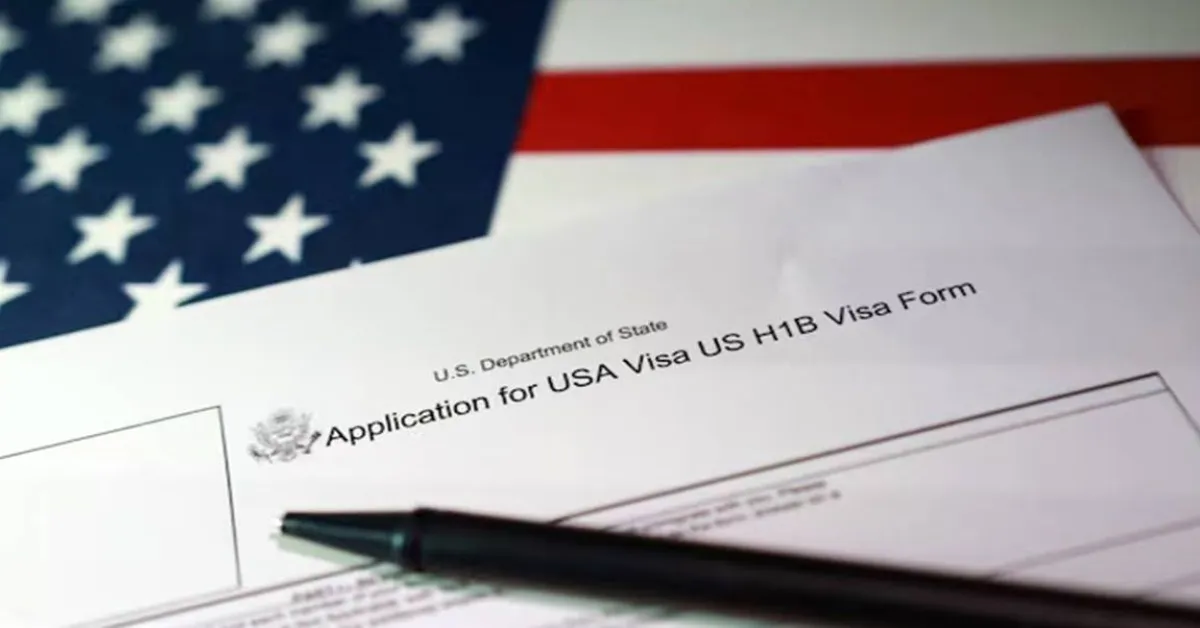
Senator Jim Banks has introduced the American Tech Workforce Act of 2025, a bill that would end the Optional Practical Training (OPT) programme and impose stricter requirements on the H-1B visa system.
Banks said the proposal is intended to protect American graduates and workers from competition with foreign labour. In a post on X, he argued that OPT was never authorised by Congress and claimed it creates tax-exempt employment opportunities for foreign students, placing domestic graduates at a disadvantage.
The programme currently allows international students, particularly those in science, technology, engineering and mathematics (STEM), to work in the United States for up to three years after completing their studies. Banks also criticised the payroll tax exemption linked to OPT, saying that it encourages employers to favour foreign graduates.
The bill also proposes significant changes to the H-1B visa programme, which permits US companies to employ skilled foreign workers. Banks cited data indicating that a majority of H-1B visas are associated with salaries below local median levels.
He argued that this contributes to downward pressure on wages and incentivises companies to hire foreign workers. In 2024, large technology firms such as Amazon, Meta, Google, Microsoft and Apple were among the leading recipients of H-1B approvals.
Under the proposed legislation, employers would be required to pay H-1B workers a minimum salary of $150,000 or match the wages of comparable US employees over the previous two years, whichever is higher. This requirement would take effect within one year of the bill becoming law.
The bill also seeks to limit visas for work at third-party sites to a one-year duration, replacing the current three-year term with the option of extension.





















Add new comment