
Kenya and Partners Send AI-powered Climate Camera to International Space Station
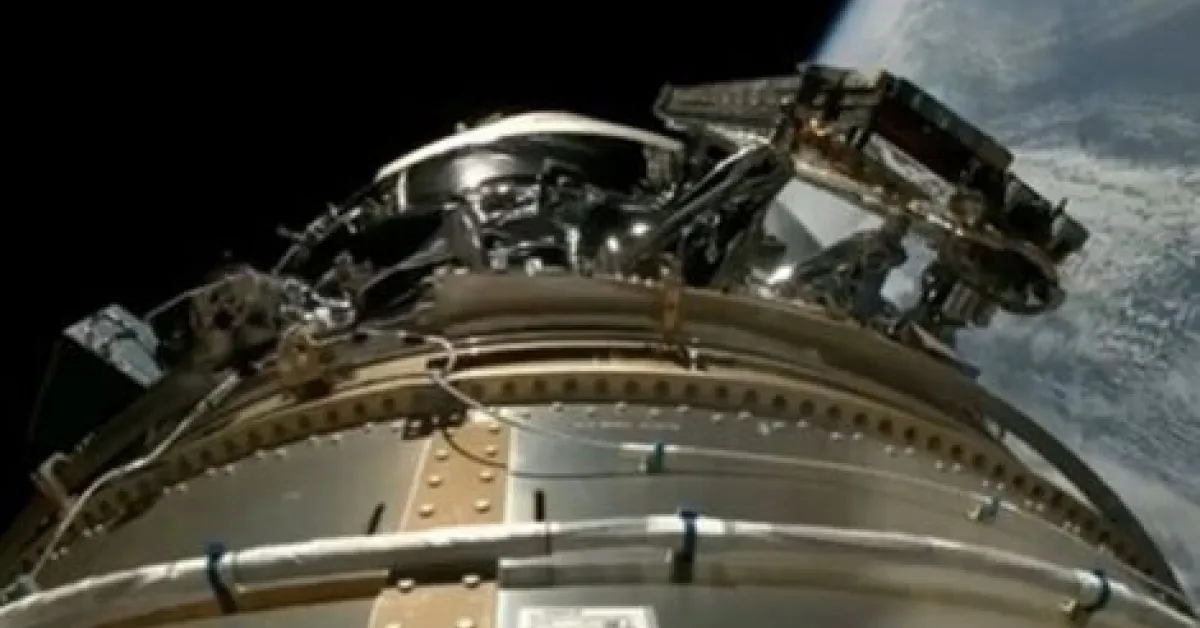
Kenya, Uganda and Egypt have successfully launched the Climate Camera (ClimCam) to the International Space Station (ISS).
The payload lifted off early on Saturday, 11 April, aboard the Cygnus NG‑24 resupply vehicle. The spacecraft departed Cape Canaveral Space Force Station at 1:41am on a SpaceX Falcon 9 rocket.
NASA confirmed that Cygnus is scheduled to dock with the ISS on Monday, 13 April, at approximately 7:50pm. Images from the launch show the spacecraft successfully separating from the rocket and continuing its trajectory into orbit.
ClimCam will operate for six months on the Airbus Bartolomeo platform attached to the European Columbus module. The system will provide continuous observation of Earth’s surface, using artificial intelligence to generate near‑real‑time climate and weather data.
Governments in the region will be able to use the information to anticipate and respond to floods, droughts and other climate-related hazards. The mission is the first tri-national space collaboration in East Africa, involving the Kenya Space Agency, the Egyptian Space Agency and the Uganda National Space Programme.
Each agency contributed to the project, highlighting a regional commitment to scientific advancement and climate resilience. Analysts say the data could influence strategies in agriculture, water management and disaster preparedness.
Kenya’s space programme has expanded steadily over recent years. The country currently operates TAIFA‑1, an Earth observation satellite launched in April 2023, which supports agricultural planning and environmental monitoring.
Its earlier nanosatellite, 1KUNS‑PF, deployed from the ISS in 2018, has completed its mission. ClimCam builds on this trajectory, reinforcing Kenya’s ambition to become a regional hub for space-based climate science.













Add new comment