
Fuel, Cartels and the Ghost Deals in Kenya’s Oil Trade
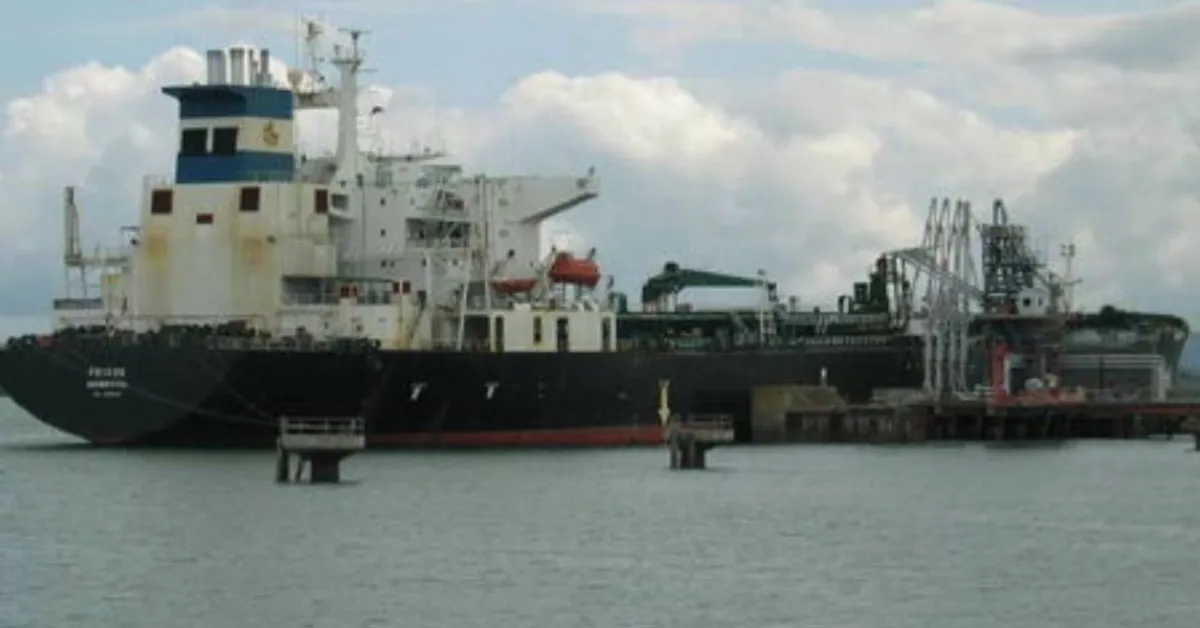
In 1999, Kenya secured the right to lift 30,000 barrels of crude oil daily from Nigeria under a deal facilitated by then-President Olusegun Obasanjo.
The arrangement initially appeared advantageous. Kenya’s daily consumption at the time was around 35,000 barrels, suggesting the deal could provide both strategic leverage and economic benefit. However, the country’s Mombasa refinery, designed for Murban crude from the United Arab Emirates, could not process Nigeria’s high-grade Bonny Light.
As a result, the oil had to be sold through third-party intermediaries on the international market. Official statements indicated that the government would issue tenders and earn a commission from sales, but details of the buyers, pricing, and revenues were rarely disclosed.
“The government calls for tenders and tenders the facility to agents to lift the oil on its behalf,” said Energy Assistant Minister Mwangi Kiunjuri at the time. “Then we get a commission, as a government, from whoever wins the tender.”
Investigations later suggested that while the system was legally permissible, it allowed opaque transactions and unmonitored intermediaries to flourish. What began as a government-to-government arrangement increasingly resembled a shadow market, with official language concealing the movement of valuable crude.
This early episode foreshadowed recurring challenges in Kenya’s oil sector. One notable case involved Triton Petroleum, where businessman Yagnesh Devani, aided by Kenya Pipeline Company officials and political connections, released 96,000 tonnes of petroleum worth Sh7.6 billion without approval from financiers.
The fuel entered the market before authorities could intervene, and Devani was later acquitted. The case exposed vulnerabilities in regulatory oversight and the ease with which private actors could exploit the system.
Pipeline integrity issues have further highlighted systemic weaknesses. In 2018, the Kenya Pipeline Company reported over a million litres of oil allegedly spilled into Ngong Forest between April and May.
Journalistic investigations found little evidence of such losses, with local inspections suggesting far smaller quantities. Discrepancies of this nature illustrate how reported technical failures or environmental incidents may mask potential misappropriation.
More recent disputes, such as the diesel cargo linked to businesswoman Ann Njeri Njoroge, demonstrate that unclear custody of imports, questionable licensing practices, and private interests continue to complicate the sector. Court proceedings and conflicting claims have not fully resolved the underlying governance issues.
Collectively, these incidents reveal a persistent challenge in Kenya’s petroleum industry: commercial arrangements and policy decisions often operate under opaque conditions, making oversight difficult and accountability limited. From the 1999 oil lift deal to current controversies, the sector has repeatedly experienced complex financial manoeuvres that obscure public oversight.
For Kenya, the challenge lies not only in securing energy resources but also in ensuring transparent, accountable, and robust management of the industry.


















Add new comment