
How Kileleshwa Changed From Quiet Suburb to Nairobi High-Rise Hub
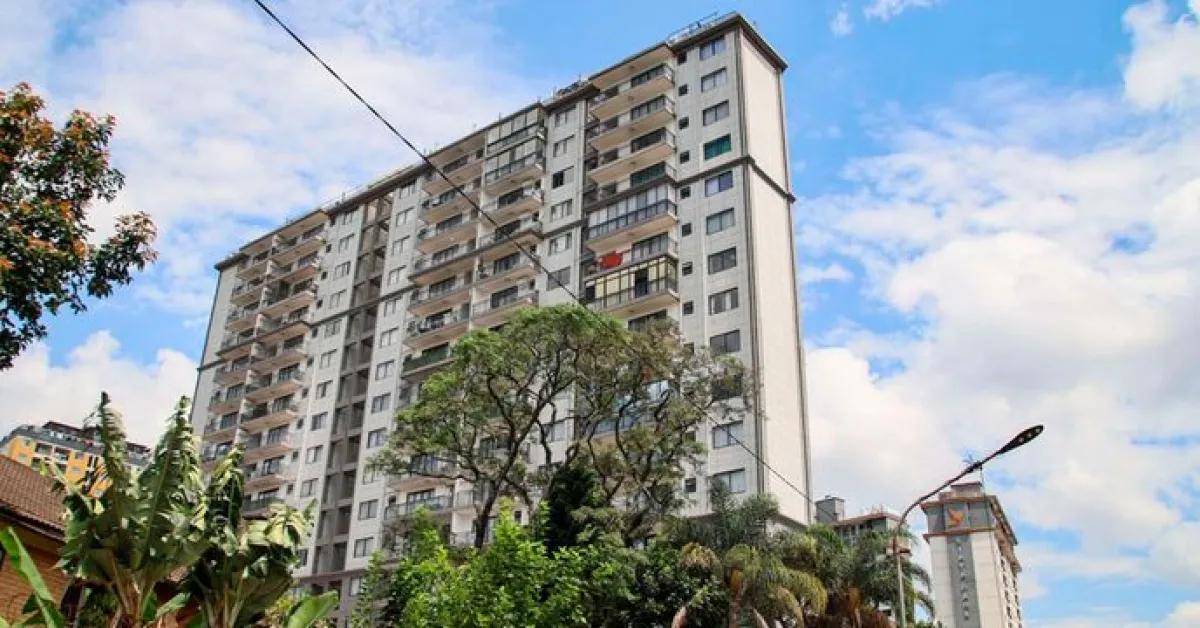
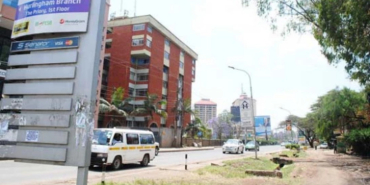
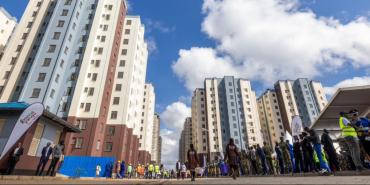
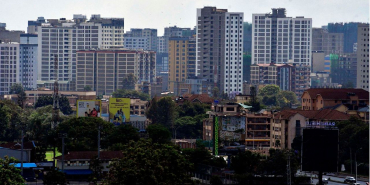
Kileleshwa has changed rapidly from a low-density residential suburb into one of Nairobi’s most heavily developed high-rise neighbourhoods, driven by zoning changes, rising housing demand, and growing property values.
In the early 2000s, Kileleshwa was known for its large homes, quiet streets, and tree-lined roads. Retired banker John Maina says he moved to the area in 2001 after buying a government-owned property for Sh3.2 million.
At the time, most plots measured between three-quarters of an acre and one acre, and the neighbourhood mainly attracted senior civil servants, academics, and middle-class families seeking a quieter environment close to the city centre. The area began to change after zoning regulations were revised to allow taller buildings and higher plot ratios.
Developers started replacing single-family homes with apartment blocks, leading to rapid construction across the suburb. “Once the zoning changed, many high-rise buildings started to appear. That is when the area began to change very quickly,” Maina says.
The increase in population has placed pressure on infrastructure, including roads, sewer systems, and water supply. Many residents now rely on boreholes because of unreliable water access, while traffic congestion has become a major concern. Maina says journeys that once took minutes can now take close to an hour during peak periods.
Despite these challenges, Kileleshwa has continued to attract young professionals seeking modern apartments near Nairobi’s business districts. Restaurants, supermarkets, and private nursery schools have expanded alongside the residential developments, although residents say schools and hospitals have not grown at the same pace.
Property prices in the suburb have risen sharply. Maina’s one-acre property, purchased for Sh3.2 million, is now valued at nearly Sh70 million. Another resident, Wangethi Mwangi, who bought a bungalow in 1994 for Sh3.5 million, later redeveloped the property into a high-rise apartment complex. “We have literally watched the neighbourhood change around us,” he says.
Commercial development has also increased, with petrol stations, cafés, and supermarkets replacing many former residential spaces. A long-term resident who developed one of the area’s first shopping centres in the 1990s says improved lighting and security have benefited the neighbourhood, although congestion and water shortages remain significant problems.
Kileleshwa has also become a major centre for short-stay accommodation. Furnished apartments marketed through Airbnb-style platforms have grown in number, offering facilities such as gyms, concierge services, and rooftop swimming pools.
According to Kenya Property Centre, the average monthly rent for an apartment in Kileleshwa in 2026 is about Sh120,000. One-bedroom apartments typically cost between Sh40,000 and Sh79,000 per month, while high-end three-bedroom units can rent for more than Sh150,000.
The suburb’s development reflects wider urban growth trends in Nairobi, including increased demand for housing and policies supporting higher-density construction near commercial areas. At the same time, residents say the pace of development has reduced green spaces and increased pressure on public infrastructure.












Add new comment