
Why Some Kenyans Shy Away from Family Reunions During Festive Season
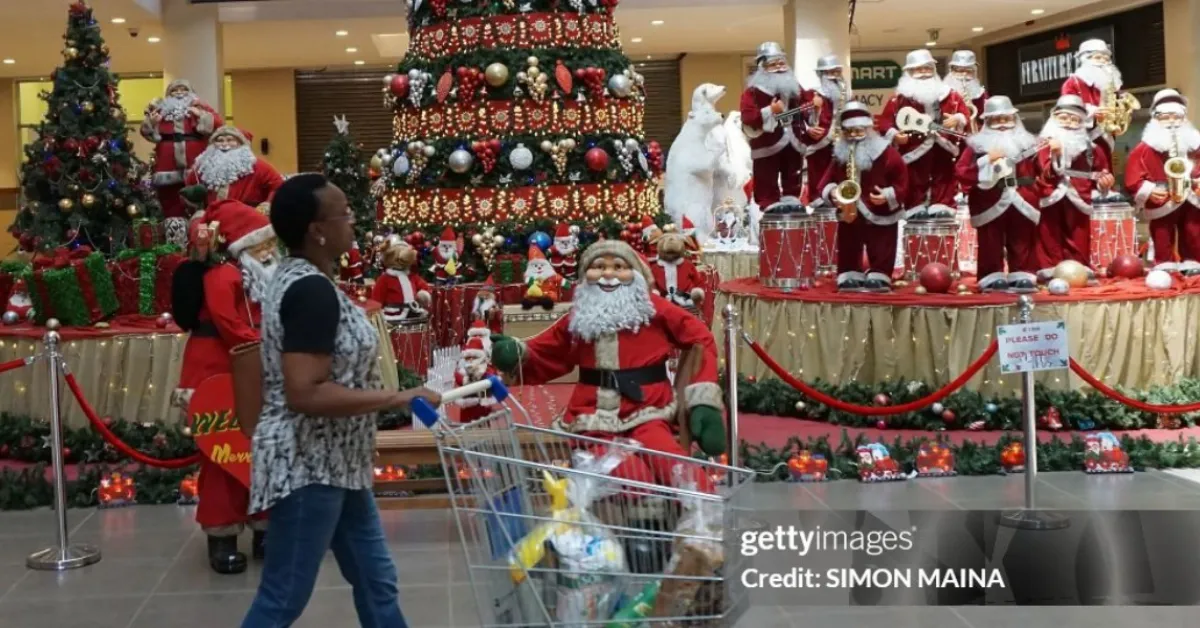
For many Kenyans, the Christmas season is marked not by celebration but by grief, pressure, and painful memories.
What should be a time of joy for family and community instead becomes a reminder of loss, unmet expectations, and unresolved emotional struggles. Mental health professionals caution that the cultural significance of Christmas gatherings can amplify emotional challenges. Dr Linda Nyamute, a consultant psychiatrist at Jaramogi Oginga Odinga Teaching and Referral Hospital, notes that individuals coping with grief or family conflicts often retreat during the festive season.
"Unprocessed grief can manifest as depression, anxiety, or avoidance of gatherings," she explains. "For many, Christmas becomes a trigger rather than a source of comfort."
Grief and the Loss of Tradition
For Domnic Ombok, Christmas was once a time for family reunions in his home village of Migori County, where his father, Arfine, led rituals of togetherness, planting trees, sharing meals with neighbours, and encouraging unity. However, after Arfine passed away in 2022 from cancer, the family avoided the home, unable to face the absence of their father.
"I miss my old man as much as I miss Christmas," Domnic says. "The celebrations lost meaning the day my father died."
Psychiatrists explain that such avoidance is a common response to bereavement. The traditions and spaces that once brought comfort now serve as painful reminders, causing families to grow apart during what should be a time of togetherness.
The Pressure of Expectations
For others, the reluctance to return home stems from ongoing social and financial pressures. Livingstone Wanjala, a graduate from Busia County, has faced years of questioning from relatives about when he will build a house or get married. Despite limited means, these expectations persist, leading him to spend Christmas with friends to avoid scrutiny.
"They kept asking when I am building a house," he recalls. "They also ask when I am bringing my spouse home, even though I am not married."
Clergy and counsellors warn that comparisons, whether between siblings, peers, or generations, can undermine self-worth. Rev Benson George Odhiambo of the Anglican Church of Kenya observes that young people often stay away from home to protect their peace of mind.
"There is a perception that city dwellers are doing well. When they cannot meet these expectations, they withdraw."
Childhood Trauma and the Return Home
For some, the aversion to returning home is tied to unresolved childhood trauma. Christine Atieno, now 28, associates Christmas not with joy but with memories of domestic violence. Despite her mother's attempts to make the day special, the violence she witnessed left scars. After her mother's death, Christine left home permanently, unable to reconcile Christmas with the trauma of her upbringing. Returning would mean reopening wounds that have never fully healed.
Dr Nyamute explains that such experiences highlight how unresolved trauma can resurface during family gatherings, leading to avoidance and isolation. She emphasises the need for sensitivity in recognising the diverse emotional experiences within families during the festive season.
The Impact of Withdrawal
When individuals withdraw from family celebrations, the effects extend beyond themselves. Relatives left behind often struggle to understand the silence, questioning whether they are being rejected or blamed. This can lead to sibling rivalry, fractured relationships, and long-term estrangement. Rev Odhiambo warns that without strong social connections, individuals are at risk of becoming vulnerable to societal pressures and unhealthy coping mechanisms.
Even those who do attend gatherings are not immune to the challenges of the season. Financial strain, overspending, and exposure to risky behaviours during Christmas can destabilise families, with young people particularly vulnerable to substance abuse and violence. What should be a time of celebration can instead become a source of further trauma.
Experts recommend that families reassess their approach to Christmas. Dr Nyamute advocates for open discussions about financial realities and the rejection of comparisons that foster insecurity. She suggests that grieving family members should be included in gatherings without pressure, and support should be offered in ways that respect their emotional boundaries.
Rev Odhiambo echoes this, recalling his mother’s simple words: "At times you might not necessarily give me anything, but just seeing you is enough."













Add new comment