
Sperm Donation Scandal: Cancer Gene Passed to 197 Children Across Europe
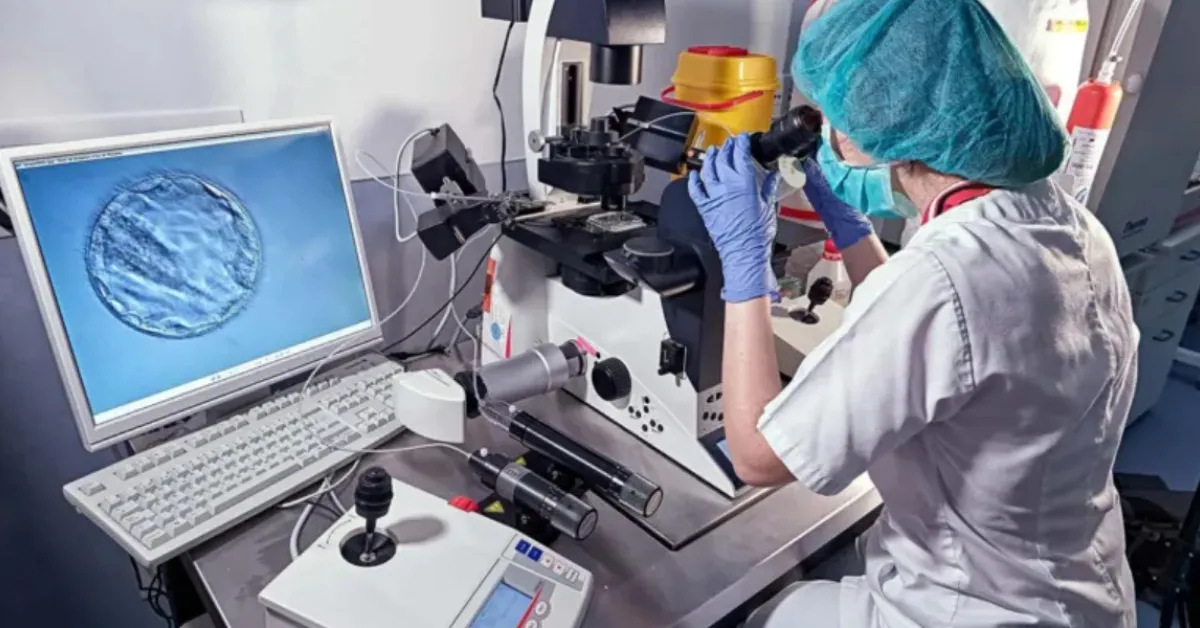
A sperm donor carrying a rare cancer-linked genetic mutation has fathered at least 197 children across Europe, according to an investigation by the European Broadcasting Union’s Investigative Journalism Network.
The donor’s sperm, distributed by Denmark’s European Sperm Bank, carried a mutation in the TP53 gene, which is strongly associated with Li-Fraumeni syndrome, a condition that predisposes individuals to early-onset cancers. Several of the children conceived with this sperm have died, while many others face serious health risks.
When the donor began providing sperm in 2005, genetic screening for TP53 mutations was not standard practice. Although the donor passed the medical tests required at the time, later advances in genetic testing revealed the risks. Among the first 67 children conceived, 23 were found to carry the mutation and 10 developed cancer.
The case also exposes gaps in regulation across Europe. The donor’s sperm was distributed to clinics in at least 14 countries. In Belgium, where the law limits a donor to six families, sperm from this individual was used to conceive 38 families, far exceeding national limits. The incident has intensified calls for stricter international rules on sperm donation, particularly regarding the number of offspring per donor.
Similar challenges exist outside Europe. In Kenya, demand for sperm donation is rising due to infertility, greater awareness of assisted reproductive technologies such as in-vitro fertilisation (IVF), and changing social attitudes. Single women and same-sex couples are increasingly turning to fertility clinics, while young men are motivated by financial compensation, which ranges between Sh40,000 and Sh100,000 per donation.
Clinics often seek donors with specific physical traits, educational backgrounds, or ethnicities, leading to shortages of those considered “desirable.” Kenya currently lacks national legislation governing assisted reproductive technologies (ART). Fertility clinics set their own standards, with some voluntarily following international guidelines that limit donors to five or ten families. However, there is no formal mechanism to enforce compliance.
Dr Ahmed Kalebi, a pathologist and reproductive health consultant, stresses the importance of genetic screening to prevent cases like the TP53 mutation. He notes that inherited conditions may not appear until adulthood, meaning apparently healthy donors can unknowingly pass on harmful mutations. He recommends thorough family health histories and genetic testing to reduce risks.
The absence of legal frameworks also affects disclosure. In Kenya, clinics are not legally required to inform families if a genetic mutation is discovered after sperm has been used. While many clinics provide counselling and disclose risks, this depends on professional ethics rather than enforceable standards.
Kenya is now moving towards regulation. In November 2025, the National Assembly approved the Assisted Reproductive Technology (ART) Bill, which proposes a comprehensive framework for ART services, including surrogacy and sperm donation. The bill would introduce strict rules on embryo management, donor consent, and age limits for donors. It would also cap the number of children per donor to prevent cases where one donor fathers dozens of children.
A central feature of the bill is the creation of a national register to track donor identities, clinic practices, and the number of children born from each donation. This system would improve transparency and ensure compliance with health and screening protocols. Families would also gain access to information about their genetic origins.
The bill further addresses genetic screening. Many Kenyan clinics currently use imported panels that may not detect conditions common in African populations, such as sickle cell disease or thalassemia. Locally tailored screening is needed to address these gaps.
Costs remain a barrier. Comprehensive genetic panels can cost more than Sh100,000, while advanced procedures such as pre-implantation genetic diagnosis during IVF can exceed Sh200,000. These expenses are rarely covered by insurance, limiting access for many families.
Dr Kalebi argues that the long-term costs of untreated genetic disorders make testing a worthwhile investment. Despite these challenges, Kenya’s fertility sector is advancing. Dr Kalebi’s laboratory is developing affordable local genetic testing services, and the growth of African genomic data is expected to improve screening accuracy.



















Add new comment