
Will Trump Strip Citizenship From Those Born in the US?
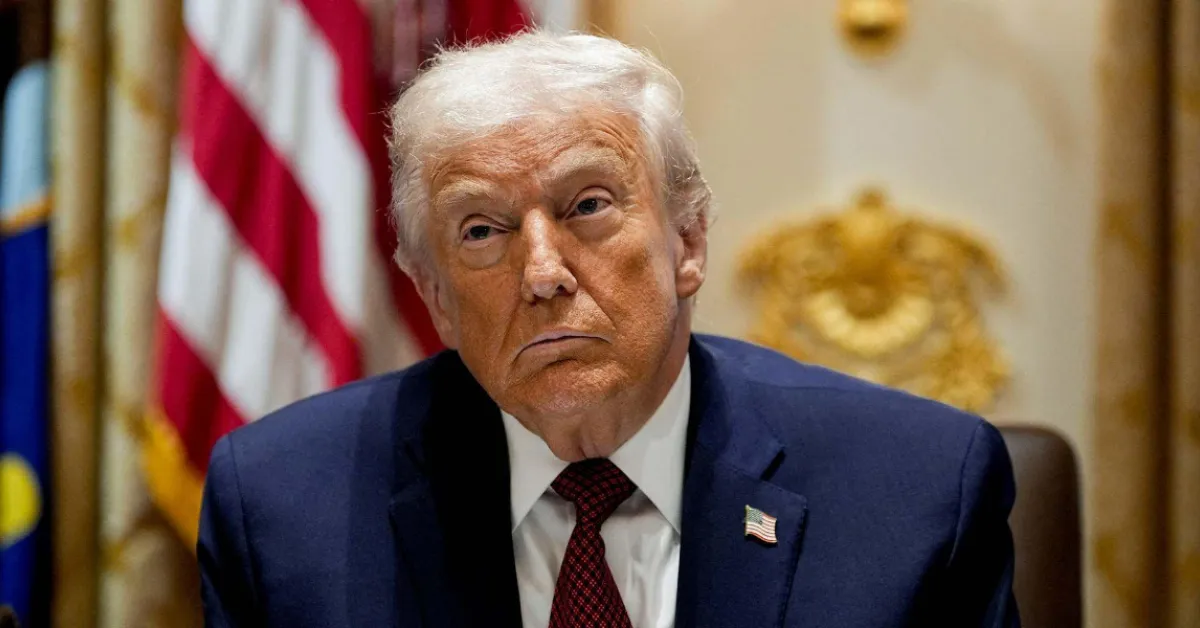
President Donald Trump has renewed his effort to limit birthright citizenship, arguing that the constitutional guarantee was intended only for the children of formerly enslaved people.
In an interview with POLITICO, Trump said the Citizenship Clause of the Fourteenth Amendment was not meant to grant automatic citizenship to the children of foreign nationals. He stated that the amendment applied specifically to the post-Civil War context and rejected its application to children born to tourists or undocumented migrants. He described broader interpretations as inconsistent with the amendment’s original purpose.
Executive Order and Policy Change
Trump’s comments follow an executive order signed on 20 January 2025 that limits birthright citizenship to children born to parents who are either US citizens or lawful permanent residents. Under the order, children born to parents who are in the country illegally or on temporary visas, including students and tourists, would no longer receive automatic citizenship.
The administration has described the measure as a necessary response to pressure on public services. Trump said the country could not support large numbers of people who, in his view, obtained legal status solely through birthright citizenship. Officials argue that the Fourteenth Amendment was designed to secure citizenship for formerly enslaved people, not to serve as a basis for modern immigration policy.
Constitutional Interpretation
The dispute centres on the Citizenship Clause, which states that all persons born or naturalised in the United States and subject to its jurisdiction are citizens. For more than a century, courts have interpreted this language to guarantee citizenship to nearly everyone born on US soil, regardless of their parents’ legal status.
Legal scholars note that this interpretation has been affirmed repeatedly and forms a central part of constitutional law. Trump challenges this view, arguing that the amendment’s framers intended a narrower application tied to the conditions following the Civil War. He told POLITICO that the issue related to a specific historical period and said public understanding of that context was changing.
The Supreme Court has agreed to consider the issue, though it has not yet announced a hearing date.






Add new comment