
Naturalized Americans Feel Vulnerable Under New Immigration Measures
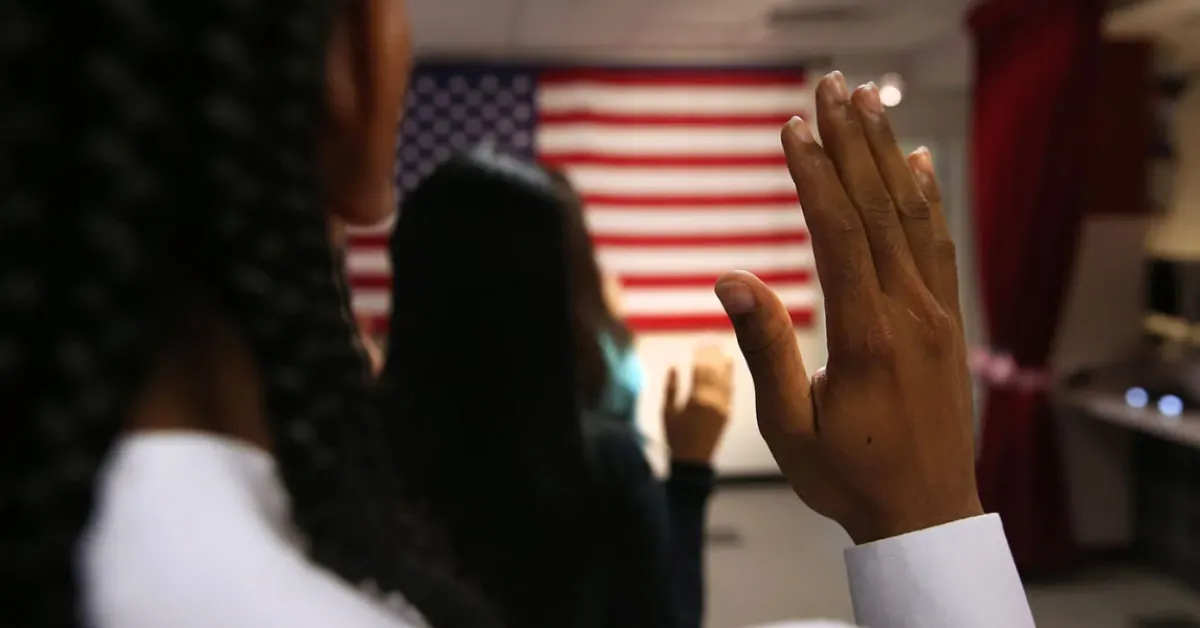
Naturalized citizens in the United States are expressing new concerns about the stability of their status as recent policy signals create uncertainty around long-held protections.
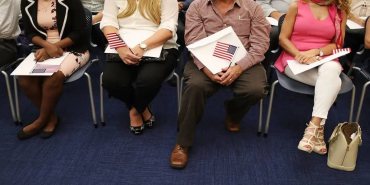
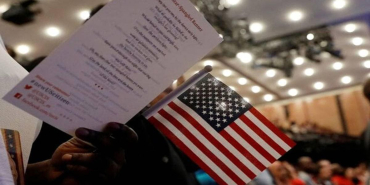
For many immigrants, becoming a citizen has long represented a clear acceptance into American society and a mutual commitment between individual and nation. Dauda Sesay, who fled Sierra Leone’s civil war and spent nearly ten years in a refugee camp before settling in Louisiana, recalls the weight of his oath of allegiance.
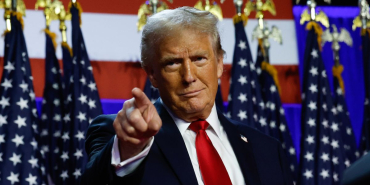
He believed it marked the moment he fully belonged. Now a leading advocate for refugee integration, he says recent shifts in immigration enforcement under President Donald Trump have left him feeling unsettled. The worries are not driven by a measurable rise in denaturalisation cases but by political rhetoric and policy proposals that appear to place citizenship under review.
Ideas such as ending birthright citizenship and Justice Department guidance supporting broader denaturalisation for people deemed security risks have raised doubts in communities that once viewed naturalisation as a final safeguard.
Concerns also stem from individual encounters with authorities.
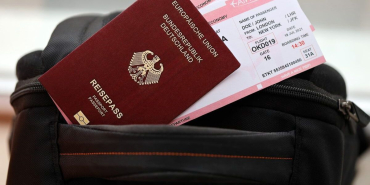
Reports of naturalized citizens being questioned at borders, detained during enforcement actions, or misidentified as undocumented have heightened feelings of vulnerability. Sesay now carries his passport even on domestic flights, despite holding a REAL ID. Others worry that their phones or personal information could be examined during travel.
The uncertainty has played out in several cities. Immigration operations in places including Chicago and New York have, at times, wrongfully detained citizens, prompting legal challenges and calls for greater oversight.
Public statements threatening to revoke citizenship, including comments directed at New York mayor-elect Zohran Mamdani, have further unsettled affected communities. Community leaders say the shift is noticeable. In New Mexico, state senator Cindy Nava, who previously lived in the country without legal status before gaining citizenship, notes that people who once felt secure now express unease.
She describes a change in mood among naturalized citizens who previously viewed their status as stable. Historians point out that the definition of citizenship in the United States has always been shaped by political priorities. Stephen Kantrowitz of the University of Wisconsin–Madison notes that although the Constitution refers to “citizens,” it does not define the term.
Over the centuries, laws have alternately expanded and restricted who may belong. The 1790 naturalisation law limited eligibility to “free white persons,” and the 1924 Immigration Act barred immigration from most of Asia. Even those who had gained citizenship were sometimes targeted: Japanese Americans were interned during the Second World War, and the Supreme Court’s 1923 ruling in US v. Bhagat Singh Thind led to denaturalisations of Indian immigrants.





Add new comment