
Kenyan Episcopal Priest Detained by ICE in Texas
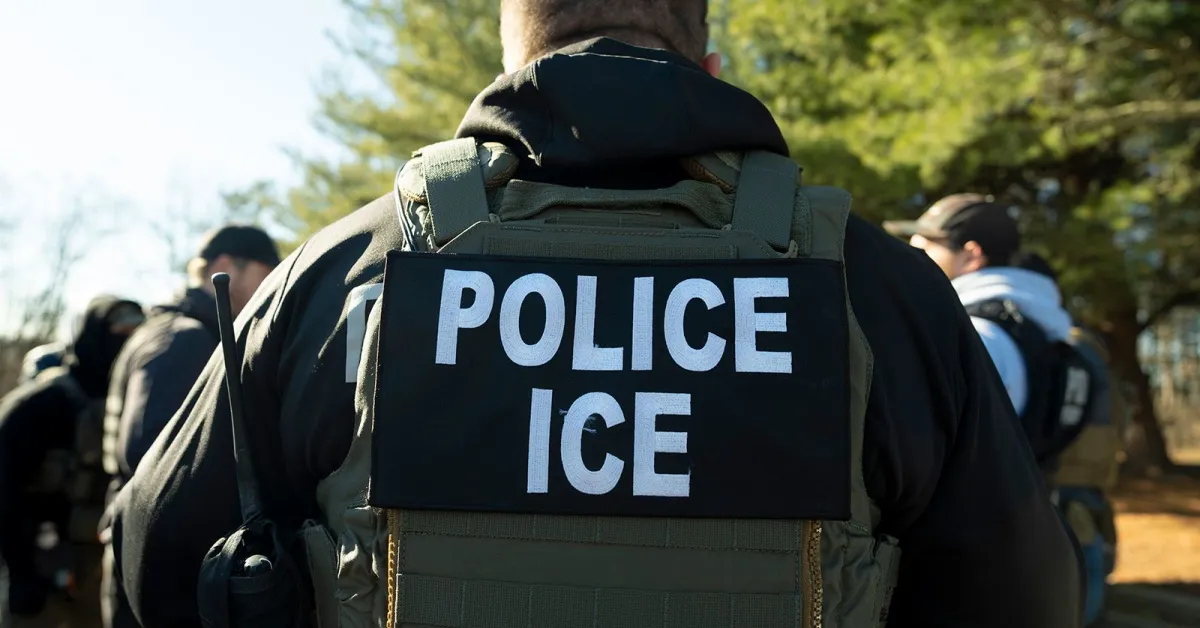
A Kenyan-born Episcopal priest serving in Texas has been taken into custody by U.S. Immigration and Customs Enforcement (ICE), sparking fresh alarm in diaspora faith communities about the treatment of foreign-born clergy.
The priest, Rev. James Eliud Ngahu Mwangi, was detained on or around October 25, 2025, while returning home from his job at the Texas Department of Criminal Justice (TDCJ), according to the Episcopal Diocese of Texas.
ICE claims that Rev. Mwangi overstayed a B-1 business visitor visa, saying his authorization to remain in the U.S. expired in May 2024.
However, diocesan officials strongly push back, insisting that he holds a valid work permit that authorizes his work in the United States.
In a public statement, the Episcopal Diocese of Texas called for justice, transparency, and humane treatment, urging federal authorities to clarify why a priest employed by a state agency would be detained.
Mwangi has been transferred to an ICE detention center in Conroe, Texas, north of Houston, where he remains in custody.
The diocese says he has spoken with his family and has received both legal and pastoral support from church leadership as they press for his release.
“This priest has served both the church and the State of Texas faithfully … We are praying for his safety … and for fair and humane treatment as this case moves forward.”
This detention comes just weeks after another high-profile immigration case involving a Kenyan-born priest. In that incident, Father John Ojuok, a Catholic priest, was stranded in Nairobi after U.S. authorities denied him a visa stamp, preventing his return to his parish in New York.
That earlier case raised grave concerns in religious and diaspora circles that the U.S. visa system is harsh on foreign-born clergy — even those who hold valid status — and that the burden on religious workers is growing.
Advocates say Rev. Mwangi’s detention highlights a troubling trend: despite holding legal work authorization, immigrant religious workers are being targeted and detained.
For many congregations in the U.S., particularly in rural or under-served areas, immigrant clergy are a vital presence. Their detention or inability to travel jeopardizes not only their own livelihoods but also the spiritual stability of their communities.
The Diocese of Texas is now appealing to elected officials, immigration authorities, and faith allies to intervene. As the legal and pastoral battle continues, Mwangi’s case could become a touchstone in the ongoing debate about immigration enforcement and the place of religious workers in American society.





Add new comment