
Bishop George Kaye Buried After 210 Days as Family Struggles With US Repatriation Costs
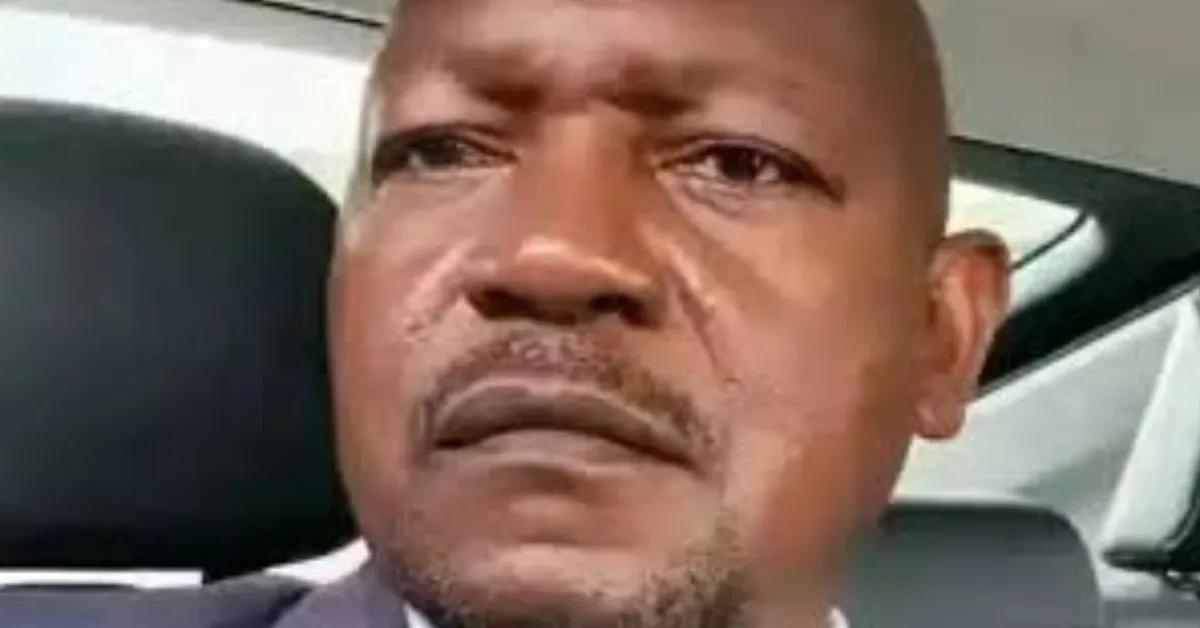
The burial of Bishop George Kaye took place in Bungoma on Saturday, 23 May 2026, more than seven months after his death in the United States, following prolonged efforts to raise funds to return his body to Kenya.
Bishop Kaye had travelled to the United States in October 2025 to continue his evangelical work among Kenyan and East African communities. Members of the Kenyan community in Seattle said he suffered a fatal heart attack during his stay, leaving relatives and supporters to manage the costly process of repatriating his remains.
The family faced months of financial difficulties as they tried to cover mortuary fees, documentation costs, embalming procedures and international air freight charges. As a result, the bishop’s body remained at a funeral facility in the United States for more than 210 days while supporters sought additional funding.
John Karanja Wairimu, a Kenyan based in Seattle who assisted with the arrangements, said the funeral home later agreed to release the body on credit so that transport plans could proceed. However, some of the outstanding costs linked to the mortuary and repatriation process have reportedly not been settled, prompting continued appeals for financial support from the diaspora community.
Although diaspora families contribute significantly to Kenya’s economy through remittances, many lack access to formal support systems during crises such as illness or death. In Bishop Kaye’s case, pastors, friends and community organisations in Washington State organised fundraising campaigns to help meet the expenses, including a planned fundraiser intended to clear the remaining debt.
The prolonged delay also drew attention to the high cost of international repatriation. Transporting human remains from North America to East Africa involves strict aviation, health and legal requirements that can place a heavy financial burden on families. Industry estimates put the cost at more than one million Kenyan shillings, with expenses increasing further when delays occur.
Relatives in Kenya reportedly struggled with the extended wait and the inability to conduct burial rites within the expected cultural timeframe. Friends and fellow ministers described Bishop Kaye as a dedicated church leader whose ministry reached congregations in both Kenya and the United States.
The incident has renewed debate over preparedness for diaspora emergencies. Critics say embassies and consular offices mainly assist with documentation and legal procedures, while direct financial support for repatriation remains limited.
Some diaspora groups are now calling for emergency welfare programmes or affordable repatriation insurance schemes to help families facing similar situations.










Add new comment