
Kenyan Builders Turn to Cheaper Walling Methods as Construction Costs Rise
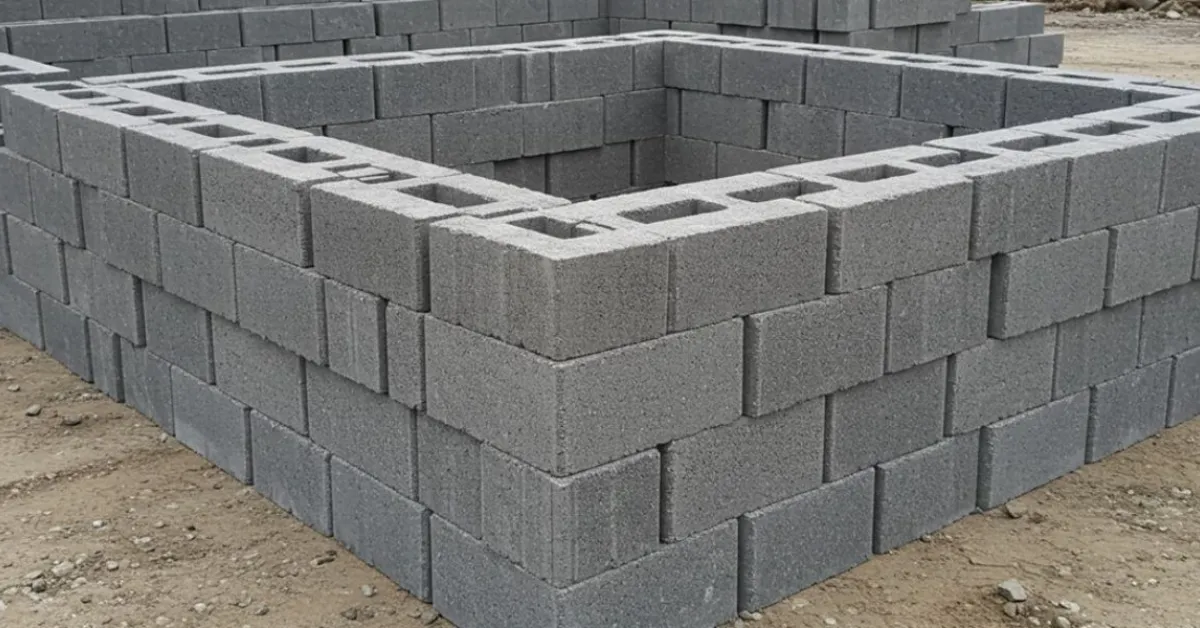
Builders and homeowners in Kenya are adopting alternative walling methods as construction costs rise, turning to cheaper materials and techniques to reduce expenses.
The increasing cost of cement, sand, and quarry stone is prompting a shift in building practices, particularly in rural areas. Developers are replacing or supplementing traditional materials with options such as interlocking bricks and thinner plaster finishes.
Projects that previously required more than Sh1 million can now be completed at significantly lower cost by using cement-water mixes or reducing screed thickness.
Interlocking bricks have emerged as a widely used alternative.
Made by compressing soil mixed with cement, these blocks require less water and mortar than conventional quarry stones. Supporters say they are cost-effective and reduce reliance on quarried materials.
However, their quality depends on soil composition and production methods. Poorly made bricks may not withstand harsh weather and often need plastering to improve durability.
Builder Rueben Kuria supports a combined approach, using quarry stones for external walls and interlocking bricks for internal partitions. He notes that ten wheelbarrows of suitable soil and two bags of cement can produce up to one hundred bricks, provided the correct ratios and moisture levels are maintained.
He adds that conventional materials remain necessary for foundations to ensure structural strength. Some developers remain cautious. Real estate investor John Ngaruiya prefers baked bricks, citing concerns about consistency and durability.
He argues that interlocking bricks may leave gaps that attract insects and require additional finishing to achieve uniform appearance and strength. While additives can reduce such issues, he questions their long-term performance, particularly under exposure to rain.
Supporters of interlocking bricks also point to environmental benefits. The method reduces the need for quarried stone and lowers the use of heavy mortar, limiting environmental impact while cutting costs.











Add new comment