
Only Two in Ten Kenyan Adults Meet Financial Health Standard, Survey Shows
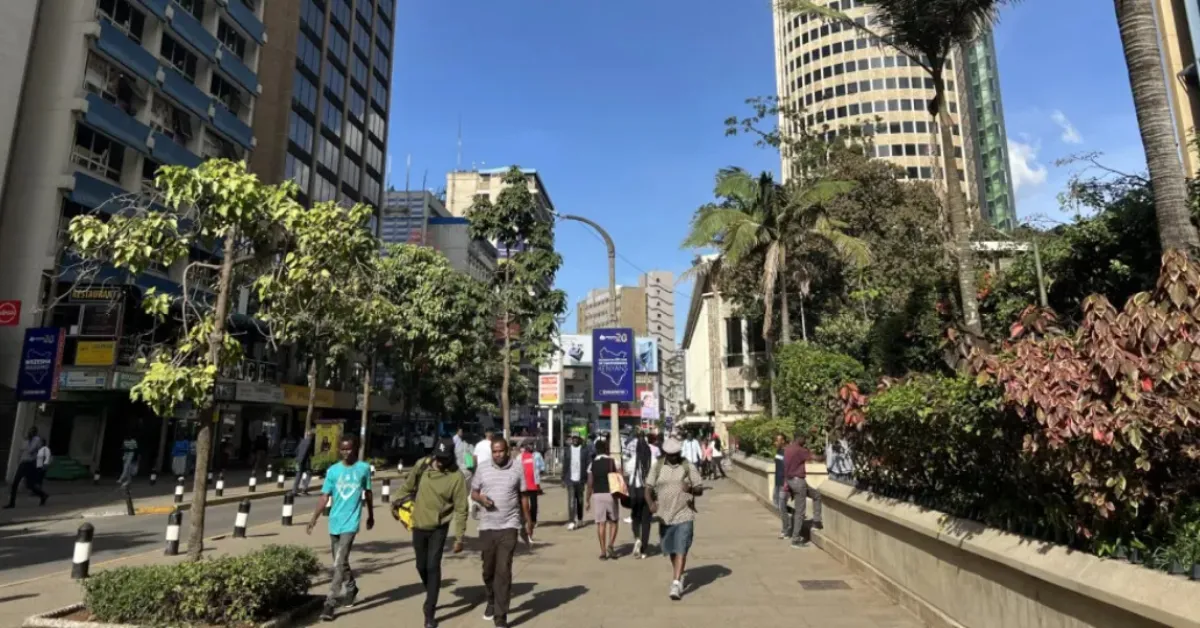
Kenya’s latest financial inclusion survey shows a sharp drop in the number of adults who meet the threshold for financial health.
New data from the Central Bank of Kenya (CBK), released in the 2024 FinAccess Survey alongside the National Financial Inclusion Strategy (NFIS) for 2025–2028, indicates that only two in ten adults are considered financially healthy. The CBK defines financial health as the ability to meet daily needs, absorb unexpected shocks, and plan for long-term goals.
This assessment is based on the Multidimensional Financial Health Index (MFHI), which measures performance across managing everyday expenses, coping with emergencies, and investing in the future. Adults must meet at least six of nine indicators to be classified as financially healthy.
The findings show a significant decline in financial wellbeing despite a formal financial inclusion rate of 84.8 percent. In 2016, 39.4 percent of adults met the financial health benchmark, but by 2024 the proportion had fallen to 18.3 percent.
The survey notes that while households have improved in managing day-to-day needs since 2021, their ability to invest in livelihoods or long-term goals has weakened. The share of adults able to allocate resources to future investments dropped from 39.5 percent in 2021 to 17.1 percent in 2024, signalling reduced household resilience and underlying structural challenges.
In response, the NFIS 2025–2028 places financial health at the core of its policy agenda. Under Pillar 3, which addresses consumer protection, market conduct, and financial literacy, the CBK plans to focus on strengthening household resilience.
The strategy positions financial health as the primary outcome of inclusion efforts and aligns Kenya’s approach with international frameworks. Measures include establishing a Financial Health Working Group to refine the MFHI, improve measurement tools, and ensure that interventions lead to measurable improvements.
The CBK has also partnered with institutions such as the World Bank and the Bank for International Settlements to harmonise Kenya’s metrics with global standards.













Add new comment